
 A SCHOLARLY BOOK REPOSITORY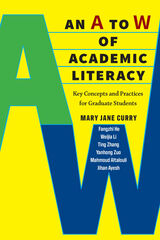
The guide includes 65 common academic literacy terms and explores how they relate to genres, writing conventions, and language use. Each entry briefly defines the term, identifies variations and tensions about its use across disciplines, provides examples, and includes reflection questions. An appendix lists further readings for each entry.
Unique to this volume are comments featuring the experiences of the graduate students who wrote the entries, comments that bring each entry to life and build a bridge to graduate student readers.

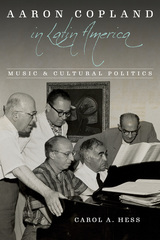

Howard Pollack's expansive biography examines Copland's long list of accomplishments while also telling the story of the composer's musical development, political sympathies, personal life, relationships as an openly gay man, and tireless encouragement of younger composers. A winner of the Pulitzer Prize and an Academy Award, Copland played a vital role in the Yaddo Festival and as a beloved teacher at Tanglewood, Harvard, and the New School for Social Research. He turned to conducting later in life and via tours promoted American classical music overseas while taking it to appreciative audiences across the United States.
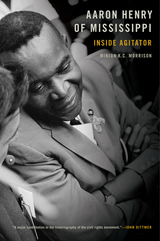
When Aaron Henry returned home to Mississippi from World War II service in 1946, he was part of wave of black servicemen who challenged the racial status quo. He became a pharmacist through the GI Bill, and as a prominent citizen, he organized a hometown chapter of the NAACP and relatively quickly became leader of the state chapter.
From that launching pad he joined and helped lead an ensemble of activists who fundamentally challenged the system of segregation and the almost total exclusion of African Americans from the political structure. These efforts were most clearly evident in his leadership of the integrated Mississippi Freedom Democratic Party delegation, which, after an unsuccessful effort to unseat the lily-white Democratic delegation at the Democratic National Convention in 1964, won recognition from the national party in 1968.
The man who the New York Times described as being “at the forefront of every significant boycott, sit-in, protest march, rally, voter registration drive and court case” eventually became a rare example of a social-movement leader who successfully moved into political office. Aaron Henry of Mississippi covers the life of this remarkable leader, from his humble beginnings in a sharecropping family to his election to the Mississippi house of representatives in 1979, all the while maintaining the social-change ideology that prompted him to improve his native state, and thereby the nation.
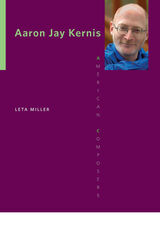
The first full-length biography of the Pulitzer Prize-winning composer
Winner of both the Pulitzer Prize and the Grawemeyer Award, Aaron Jay Kernis achieved recognition as one of the leading composers of his generation while still in his thirties. Since then his eloquent yet accessible style, emphasis on melody, and willingness to engage popular as well as classical forms has brought him widespread acclaim and admiring audiences.
Leta Miller's biography offers the first survey of the composer's life and work. Immersed in music by middle school, and later training under Theodore Antoniou, John Adams, Jacob Druckman, and others, Kernis rejected the idea of distancing his work from worldly concerns and composed on political themes. His Second Symphony, from 1991, engaged with the first Gulf War; 1993's Still Moment with Hymn was a reaction to the Bosnian Genocide; and the next year's Colored Field and 1995's Lament and Prayer dealt with the Holocaust. Yet Kernis also used sources as disparate as futurist agitprop and children's games to display humor in his work. Miller's analysis addresses not only Kernis's wide range of subjects but also the eclecticism that has baffled critics, analyzing his dedication to synthesis and the themes consistent in his work. Informed and engaging, Aaron Jay Kernis gives a rare mid-career portrait of a major American cultural figure.

As entries for UK school exams in modern foreign languages decrease, this book serves the urgent need for research and guidance on ab initio learning and teaching in higher education. Drawing extensively on the expertise of teachers of German in universities across the UK, the volume offers an overview of recent trends, new pedagogical approaches, and practical guidance for teaching languages at the beginners’ level in the higher education classroom that will be useful for teachers of both German and other languages.
The first chapters assess the role of ab initio provision within the wider context of modern language departments and language centers. They are followed by sections on teaching methods and approaches in the ab initio classroom, including the use of music, textbook evaluation, effective use of flipped classrooms, and the contribution of language apps. Finally, the book focuses on the learner in the ab initio context and explores issues around autonomy and learner strengths.

lbert Einstein said, “Not everything that can be counted counts, and not everything that counts can be counted.” It is in this vein that Sholeh Wolpé’s mesmerizing memoir in verse unfolds. In this lyrical and candid work, her fifth collection of poems, Wolpé invokes the abacus as an instrument of remembering. Through different countries and cultures, she carries us bead by bead on a journey of loss and triumph, love and exile. In the end, the tally is insight, not numbers, and we arrive at a place where nothing is too small for gratitude.
Tales about abalone and their historical and contemporary meanings are related by Field and his coauthors, who include the chair and other members of the Muwekma Ohlone Tribe; a Point Arena Pomo elder; the chair of the Wiyot tribe and her sister; several Hupa Indians; and a Karuk scholar, artist, and performer. Reflecting the divergent perspectives of various Native groups and people, the stories and analyses belie any presumption of a single, unified indigenous understanding of abalone. At the same time, they shed light on abalone’s role in cultural revitalization, struggles over territory, tribal appeals for federal recognition, and connections among California’s Native groups. While California’s abalone are in danger of extinction, their symbolic power appears to surpass even the environmental crises affecting the state’s vulnerable coastline.
From rocky coves at Mendocino and Monterey to San Diego’s reefs, abalone have held a cherished place in California culture for millennia. Prized for iridescent shells and delectable meat, these unique shellfish inspired indigenous artisans, bohemian writers, California cuisine, and the popular sport of skin diving, but also became a highly coveted commercial commodity. Mistakenly regarded as an inexhaustible seafood, abalone ultimately became vulnerable to overfishing and early impacts of climate change.
As the first and only comprehensive history of these once abundant but now tragically imperiled shellfish, Abalone guides the reader through eras of discovery, exploitation, scientific inquiry, fierce disputes between sport and commercial divers, near-extinction, and determined recovery efforts. Combining rich cultural and culinary history with hard-minded marine science, grassroots activism, and gritty politics, Ann Vileisis chronicles the plight of California’s abalone species and the growing biological awareness that has become crucial to conserve these rare animals into the future.
Abalone reveals the challenges of reckoning with past misunderstandings, emerging science, and political intransigence, while underscoring the vulnerability of wild animals to human appetites and environmental change. An important contribution to the emerging field of marine environmental history, this is a must-read for scientists, conservationists, environmental historians, and all who remember abalone fondly.
Vasquez-Tokos finds that their experiences in childhood, adolescence, and young adulthood shape their perceptions of race, which in turn influence their romantic expectations. Most Latinos marry other Latinos, but those who intermarry tend to marry whites. She finds that some Latina women who had domineering fathers assumed that most Latino men shared this trait and gravitated toward white men who differed from their fathers. Other Latina respondents who married white men fused ideas of race and class and perceived whites as higher status and considered themselves to be “marrying up.” Latinos who married non-Latino minorities—African Americans, Asian Americans, and Native Americans—often sought out non-white partners because they shared similar experiences of racial marginalization. Latinos who married Latinos of a different national origin expressed a desire for shared cultural commonalities with their partners, but—like those who married whites—often associated their own national-origin groups with oppressive gender roles.
Vasquez-Tokos also investigates how racial and cultural identities are maintained or altered for the respondents’ children. Within Latino-white marriages, biculturalism—in contrast with Latinos adopting a white “American” identity—is likely to emerge. For instance, white women who married Latino men often embraced aspects of Latino culture and passed it along to their children. Yet, for these children, upholding Latino cultural ties depended on their proximity to other Latinos, particularly extended family members. Both location and family relationships shape how parents and children from interracial families understand themselves culturally.
As interracial marriages become more common, Marriage Vows and Racial Choices shows how race, gender, and class influence our marital choices and personal lives.
Reading Kuby’s analysis of cultural, sociological and biological data, the danger is clear and present. Yet Kuby asserts that, generally, our plight goes unnoticed and is veiled from our eyes. We need to see children for who and what they really are to us, to the family, and society at large. In the words of Fulton Sheen, “Children play a redeemer role in the family. The represent the victory of love over the insatiable ego. They symbolize the defeat of selfishness and the triumph of giving love.” Tragically, children are increasingly less a part of Western culture. This leaves the family, in the best case scenario, an artifact, and in the worst case, a casualty.
The topics addressed by Kuby cover towering influences in postmodern family life: Gender politics, the abortion mentality, daycare (“Socialism 2.0”), premature stress, rights of children, digital distractions, pornography, and divorce. A native German, Kuby’s work is, heartbreakingly, as relevant to American society as her own. This European perspective drives home the urgent need to recognize our situation as global and embedded, and one that requires more than political mobilization of mainstream efforts and responses. What really is good and normal, and how to we realize it? Listen to the heartstrings that yearn for true knowledge of oneself, Kuby implores, of God, and how in the surprise of God’s mercy we are guided through life. Kuby backs up this invitation to personal conversion and betterment with hard data.
Broadway Avenue in downtown Los Angeles contains an extraordinary collection of twelve abandoned film palaces, all built between 1910 and 1931. In most cities worldwide such a concentration of original cinema houses would have been demolished long ago—but in a city whose identity is inseparable from the film industry, the buildings have survived mainly intact, some of their interiors dilapidated and gutted and others transformed and re-imagined as churches and nightclubs. Stephen Barber’s Abandoned Images takes us inside these remarkable structures in order to understand the birth and death of film as both a medium and a social event.
Due to the rise of digital filmmaking and straight-to-DVD and on-demand distribution, the film industry is presently undergoing a process of profound transformation in both how movies are made and how they are watched. Barber explores what this means for the cinematic experience: Are movies losing some essential element of their identity and purpose, and can the distinctive aura of film survive when the specialized venues required to display movies have been comprehensively overhauled or erased? Barber also forecasts the future of film, revealing how its distinctive and flexible nature will be vital to its survival.
Featuring many evocative images alongside insightful reflections on the role of film and its viewing in the global culture, Abandoned Images will be of interest to all those engaged in contemporary developments in film, visual media, and digital arts.
Abandoned is the gripping account of men battling for survival as they are pitted against the elements and each other. It is also the most complete and authentic account of the controversial Greely Expedition ever published, an exemplar of the best in chronicles of polar exploration.

Abandoning the Black Hero is the first book to examine the postwar African American white-life novel—novels with white protagonists written by African Americans. These fascinating works have been understudied despite having been written by such defining figures in the tradition as Richard Wright, Zora Neale Hurston, James Baldwin, Ann Petry, and Chester Himes, as well as lesser known but formerly best-selling authors Willard Motley and Frank Yerby.
John C. Charles argues that these fictions have been overlooked because they deviate from two critical suppositions: that black literature is always about black life and that when it represents whiteness, it must attack white supremacy. The authors are, however, quite sympathetic in the treatment of their white protagonists, which Charles contends should be read not as a failure of racial pride but instead as a strategy for claiming creative freedom, expansive moral authority, and critical agency.
In an era when “Negro writers” were expected to protest, their sympathetic treatment of white suffering grants these authors a degree of racial privacy previously unavailable to them. White writers, after all, have the privilege of racial privacy because they are never pressured to write only about white life. Charles reveals that the freedom to abandon the “Negro problem” encouraged these authors to explore a range of new genres and themes, generating a strikingly diverse body of novels that significantly revise our understanding of mid-twentieth-century black writing.
In this expanded second edition, award-winning Iranian filmmaker Mehrnaz Saeed-Vafa and film critic Jonathan Rosenbaum renew their illuminating cross-cultural dialogue on Kiarostami's work. The pair chart the filmmaker's late-in-life turn toward art galleries, museums, still photography, and installations. They also bring their distinct but complementary perspectives to a new conversation on the experimental film Shirin. Finally, Rosenbaum offers an essay on watching Kiarostami at home while Saeed-Vafa conducts a deeply personal interview with the director on his career and his final feature, Like Someone in Love.
"... Abbie, more than any other radical, showed potheads how to demonstrate and radicals how to dance." -- Chicago Tribune
"... deeply sympathetic and scrupulously detached-a triumph of judicious empathy." -- MARTIN DUBERMAN, Distinguished Professor of History, Lehman/The Graduate School, C.U.N.Y.
"... details Hoffman's humor, manic energy, depressive spells, political skills, and above all, his Incurable and still contagious optimism." -- Entertainment Weekly
"Here's the Abbie I knew and loved! Marty Jezer has captured him in all his complexity, dedication, humor, and heart." -- ANITA HOFFMAN

This new edition of Horace W. Davenport's standard text takes into account different ways of looking at the problems of acid-base derived from new instrumentation. The exposition has been modified to allow the student to apply his understanding to other systems of description of the acid-base status. Although the pH system has been retained, there is increasing emphasis on the use of hydrogen ion concentration.
Topics discussed include: partial pressure of gases, composition of alveolar gas, transport of oxygen and carbon dioxide in the blood, buffer action of hemoglobin and seperated plasma, oxygenated whole blood and reduced blood, concepts of base excess and base deficit, and chemical regulation of respiration.
"Any reader who clearly understands the subject matter of this book will have a firm grounding in the principles of the subject; I find it the clearest text of this type that I have read."—British Journal of Hospital Medicine
"This little book is of great value to chemically trained physicians and medical students who want to get a clearer idea of the physiology of acid base chemistry in the blood."—The Journal of Gastroenterology

Hahnel explains the origins of the financial crisis of 2008, the ensuing “Great Recession,” and why government policies in Europe and North America over the past six years have failed to improve matters for the majority of their citizens. It also helps explain the economic causes of climate change and what will be required if it is to be resolved effectively and fairly. The ABCs of Political Economy is perfect for anyone who wants to equip themselves with the ability to grasp as well as challenge existing preconceptions of political economy.
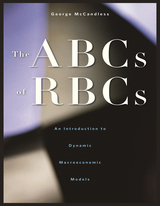
The ABCs of RBCs is the first book to provide a basic introduction to Real Business Cycle (RBC) and New-Keynesian models. These models argue that random shocks—new inventions, droughts, and wars, in the case of pure RBC models, and monetary and fiscal policy and international investor risk aversion, in more open interpretations—can trigger booms and recessions and can account for much of observed output volatility.
George McCandless works through a sequence of these Real Business Cycle and New-Keynesian dynamic stochastic general equilibrium models in fine detail, showing how to solve them, and how to add important extensions to the basic model, such as money, price and wage rigidities, financial markets, and an open economy. The impulse response functions of each new model show how the added feature changes the dynamics.
The ABCs of RBCs is designed to teach the economic practitioner or student how to build simple RBC models. Matlab code for solving many of the models is provided, and careful readers should be able to construct, solve, and use their own models.
In the tradition of the “freshwater” economic schools of Chicago and Minnesota, McCandless enhances the methods and sophistication of current macroeconomic modeling.
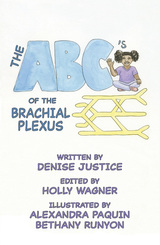
Medical terms used in the doctor’s office can be confusing, especially for the condition of Neonatal Brachial Plexus Palsy and/or Peripheral Nerve Injury. This book is written by a highly experienced therapist and formatted effectively for reference, review, or new learning of the medical terms. In addition, the accompanying hand-drawn illustrations offer attractive colorful pictorial representations of the technical concepts.
From the names and anatomy of individual nerves to multiple surgical treatment options, this book will help patients and caretakers decode the words of doctors, starting with every letter of the alphabet. If you are seeking the knowledge help with the diagnosis and treatment of your Brachial Plexus condition, this book is for you!
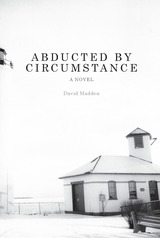
“Abducted by Circumstance is a thrilling crime story, a dark and complex psychological study, a rich contemplation on contemporary life. It is also a masterful moral drama about the centuries-old conflicts that arise from the juxtaposition of the flesh and spirit.”
—Allen Wier, author of Tehano
“David Madden continues to push the envelope of literary fiction in subtle and profoundly sophisticated ways. Abducted by Circumstance is a quirky, utterly compelling novel in pieces that in its very structure speaks to the work’s twenty-first-century theme: how do we find connection in a fragmented world? In this new book Madden is at the height of his considerable power.”
—Robert Olen Butler
In Abducted by Circumstance, David Madden offers his readers a unique experience simultaneously terrifying and exhilarating.
Carol Seaborg makes a risky visit in zero weather to a lighthouse near her house in The Thousand Islands of New York on the Canadian border. A self-confident, attractive woman of about 55 suddenly appears on the observation deck looking out over frozen Lake Ontario. Carol admires the woman as her ideal.
Suddenly, the woman disappears, apparently abducted by a serial rapist and killer, stimulating in Carol an immediate empathy that, enhanced by the power of her imagination, is so great as to make her unique. Carol projects her own emotions, imagination, and intellect into Glenda’s experience.
To render that empathy and imagination, Madden channels everything that the people around her say and do through Carol’s perceptions so intimately that he shifts frequently and without transition into her thoughts, which focus mostly on the abducted woman, whose name newscasters reveal is Glenda Hamilton.
As Carol imagines Glenda gradually coping with her abductor, she speaks directly, sometimes out loud, to her, encouraging her, advising her, expressing fear for her.
If Carol’s external experiences are passive almost to paralysis, her memories reveal that her life has been full of more venturesome relationships and events (she once rode across Greece alone on a bicycle) than most wives and mothers in their late thirties have. Carol’s emotions and imagination are highly charged and exquisitely presented.
The circumstances and relationships of her past and present predispose Carol to empathize with Glenda. Carol’s own life among a crude, remote second husband, a somewhat estranged adolescent son, a bright five-year-old daughter, a father who is a rather cold philosophy teacher, and the strong spiritual presence of her mother who committed suicide, is simple and routine. The events involving Glenda’s disappearance take place during the week before Carol’s second surgery for breast cancer.
Gradually, as she takes late night drives with her little girl, visits her ex-boyfriend’s father in a nursing home, drives by her ex-lover’s house and business, and visits the campus where her father is a prominent teacher, the reader realizes, some pages before Carol herself does, that she has been abducted by the circumstances of her life.
Although it is grounded in the realistic detail of everyday life, Abducted by Circumstance is unique in conception, style, and characterization. Madden immerses the reader in an extraordinarily rich and unforgettable psychological experience.
Thoroughly absorbing from start to finish, Abducted by Circumstance explores Carol’s troubled psyche with the rare precision and insight that have long distinguished David Madden’s fiction.
Since 1961, each of David Madden’s highly praised novels and two books of short stories has had some quality of uniqueness, among them Cassandra Singing, Sharpshooter: A Novel of the Civil War, Bijou, and The Suicide’s Wife. Twice nominated for the Pulitzer Prize, David Madden received the Robert Penn Warren Award from the Fellowship of Southern Writers.
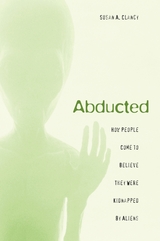
They are tiny. They are tall. They are gray. They are green. They survey our world with enormous glowing eyes. To conduct their shocking experiments, they creep in at night to carry humans off to their spaceships. Yet there is no evidence that they exist at all. So how could anyone believe he or she was abducted by aliens? Or want to believe it?
To answer these questions, psychologist Susan Clancy interviewed and evaluated "abductees"--old and young, male and female, religious and agnostic. She listened closely to their stories--how they struggled to explain something strange in their remembered experience, how abduction seemed plausible, and how, having suspected abduction, they began to recollect it, aided by suggestion and hypnosis.
Clancy argues that abductees are sane and intelligent people who have unwittingly created vivid false memories from a toxic mix of nightmares, culturally available texts (abduction reports began only after stories of extraterrestrials appeared in films and on TV), and a powerful drive for meaning that science is unable to satisfy. For them, otherworldly terror can become a transforming, even inspiring experience. "Being abducted," writes Clancy, "may be a baptism in the new religion of this millennium." This book is not only a subtle exploration of the workings of memory, but a sensitive inquiry into the nature of belief.
Each of the twelve essays that comprise this collection sparks new insights about the phenomenon of writing. A must-read for rhetoric and composition scholars and students, Abducting Writing Studies is sure to foster vibrant discussions about what is possible in writing research and instruction.

Examines three areas in which abductive reasoning is especially important: medicine, science, and law. The reader is introduced to abduction and shown how it has evolved historically into the framework of conventional wisdom in logic. Discussions draw upon recent techniques used in artificial intelligence, particularly in the areas of multi-agent systems and plan recognition, to develop a dialogue model of explanation. Cases of causal explanations in law are analyzed using abductive reasoning, and all the components are finally brought together to build a new account of abductive reasoning.
By clarifying the notion of abduction as a common and significant type of reasoning in everyday argumentation, Abductive Reasoning will be useful to scholars and students in many fields, including argumentation, computing and artificial intelligence, psychology and cognitive science, law, philosophy, linguistics, and speech communication and rhetoric.

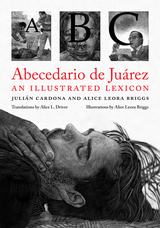
Uses key words and striking images to explore violence and everyday life in Juárez, Mexico.
Juárez, Mexico, is known for violence. The femicides of the 1990s, and the cartel mayhem that followed, made it one of the world's most dangerous cities. Along with the violence came a new lexicon that traveled from person to person, across rivers and borders—wherever it was needed to explain the horrors taking place. From personal interviews, media accounts, and conversations on the street, Julián Cardona and Alice Leora Briggs have collected the words and slang that make up the brutal language of Juárez, creating a glossary that serves as a linguistic portrait of the city and its violence. Organized alphabetically, the entries consist of Spanish and Spanglish, accompanied by short English definitions. Some also feature a longer narrative drawn from interviews—stories that put the terms in context and provide a personal counterpoint to media reports of the same events. Letters, and many of the entries, are supplemented with Briggs’s evocative illustrations, which are reminiscent of Hans Holbein’s famous Alphabet of Death. Together, the words, drawings, and descriptions in ABCedario de Juárez both document and interpret the everyday violence of this vital border city.

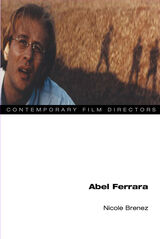
Nicole Brenez argues for Abel Ferrara’s place in a line of grand inventors who have blurred distinctions between industry and avant-garde film, including Orson Welles, Monte Hellman, and Nicholas Ray. Rather than merely reworking genre film, Brenez understands Ferrara’s oeuvre as formulating new archetypes that depict the evil of the modern world. Focusing as much on the human figure as on elements of storytelling, she argues that films such as Bad Lieutenant express this evil through visionary characters struggling against the inadmissible (inadmissible behavior, morality, images, and narratives).

A hard-hitting look at the regulation of sexual difference and its role in circumscribing African American culture
The sociology of race relations in America typically describes an intersection of poverty, race, and economic discrimination. But what is missing from the picture—sexual difference—can be as instructive as what is present. In this ambitious work, Roderick A. Ferguson reveals how the discourses of sexuality are used to articulate theories of racial difference in the field of sociology. He shows how canonical sociology—Gunnar Myrdal, Ernest Burgess, Robert Park, Daniel Patrick Moynihan, and William Julius Wilson—has measured African Americans’s unsuitability for a liberal capitalist order in terms of their adherence to the norms of a heterosexual and patriarchal nuclear family model. In short, to the extent that African Americans’s culture and behavior deviated from those norms, they would not achieve economic and racial equality.
Aberrations in Black tells the story of canonical sociology’s regulation of sexual difference as part of its general regulation of African American culture. Ferguson places this story within other stories—the narrative of capital’s emergence and development, the histories of Marxism and revolutionary nationalism, and the novels that depict the gendered and sexual idiosyncrasies of African American culture—works by Richard Wright, Ralph Ellison, James Baldwin, Audre Lorde, and Toni Morrison. In turn, this book tries to present another story—one in which people who presumably manifest the dysfunctions of capitalism are reconsidered as indictments of the norms of state, capital, and social science. Ferguson includes the first-ever discussion of a new archival discovery—a never-published chapter of Invisible Man that deals with a gay character in a way that complicates and illuminates Ellison’s project.
Unique in the way it situates critiques of race, gender, and sexuality within analyses of cultural, economic, and epistemological formations, Ferguson’s work introduces a new mode of discourse—which Ferguson calls queer of color analysis—that helps to lay bare the mutual distortions of racial, economic, and sexual portrayals within sociology.
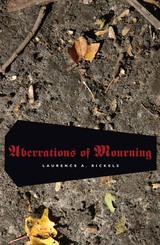
Rickels studies mourning and melancholia within and around psychoanalysis, analyzing the writings of such thinkers as Freud, Nietzsche, Lessing, Heinse, Artaud, Keller, Stifter, Kafka, and Kraus. Rickels maintains that we must shift the way we read literature, philosophy, and psychoanalysis to go beyond traditional Oedipal structures.
Aberrations of Mourning argues that the idea of the crypt has had a surprisingly potent influence on psychoanalysis, and Rickels shows how society’s disturbed relationship with death and dying, our inability to let go of loved ones, has resulted in technology to form more and more crypts for the dead by preserving them—both physically and psychologically—in new ways.
Winner, 2015 Colorado Book Award
Finalist, 2015 National Book Critics Circle Award
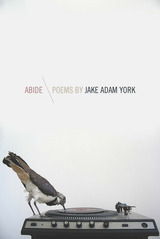
In the years leading up to his recent passing, Alabama poet Jake Adam York set out on a journey to elegize the 126 martyrs of the civil rights movement, murdered in the years between 1954 and 1968. Abide is the stunning follow-up to York’s earlier volumes, a memorial in verse for those fallen. From Birmingham to Okemah, Memphis to Houston, York’s poems both mourn and inspire in their quest for justice, ownership, and understanding.
Within are anthems to John Earl Reese, a sixteen-year-old shot by Klansmen through the window of a café in Mayflower, Texas, where he was dancing in 1955; to victims lynched on the Oklahoma prairies; to the four children who perished in the Birmingham church bombing of 1963; and to families who saw the white hoods of the Klan illuminated by burning crosses. Juxtaposed with these horrors are more loving images of the South: the aroma of greens simmering on the stove, “tornado-strong” houses built by loved ones long gone, and the power of rivers “dark as roux.”
Throughout these lush narratives, York resurrects the ghosts of Orpheus, Sun Ra, Howlin’ Wolf, Thelonious Monk, Woody Guthrie, and more, summoning blues, jazz, hip-hop, and folk musicians for performances of their “liberation music” that give special meaning to the tales of the dead.
In the same moment that Abide memorializes the fallen, it also raises the ethical questions faced by York during this, his life’s work: What does it mean to elegize? What does it mean to elegize martyrs? What does it mean to disturb the symmetries of the South’s racial politics or its racial poetics?
A bittersweet elegy for the poet himself, Abide is as subtle and inviting as the whisper of a record sleeve, the gasp of the record needle, beckoning us to heed our history.
Abiding by Sri Lanka examines how the disciplines of anthropology, history, and literature treat the Sri Lankan ethnic conflict. Anthropology, Ismail contends, approaches Sri Lanka as an object from an “outside” and western point of view. History, addressing the conflict from the “inside,” abides by the place and so promotes change that is nationalist and exclusive. Neither of these fields imagines an inclusive community. Literature, Ismail argues, can.
With close readings of texts that “abide” by Sri Lanka, texts that have a commitment to it, Ismail demonstrates that the problems in Sri Lanka raise fundamental concerns for us all regarding the relationship between democracies and minorities. Recognizing the structural as well as political tendencies of representative democracies to suppress minorities, Ismail rethinks democracy by redefining the concept of the minority perspective, not as a subject-position of numerical insignificance, but as a conceptual space that opens up the possibility for distinction without domination and, ultimately, peace.
Qadri Ismail is associate professor of English at the University of Minnesota. He has also been a journalist in Sri Lanka.
Abiding Grace navigates the competing Hegelian and Kierkegaardian trajectories born out of the Reformation and finds Taylor arguing from spaces in between, showing how both narratives have shaped recent philosophy and culture. For Hegel, Luther’s internalization of faith anticipated the modern principle of autonomy, which reached its fullest expression in speculative philosophy. The closure of the Hegelian system still endures in the twenty-first century in consumer society, financial capitalism, and virtual culture. For Kierkegaard, by contrast, Luther’s God remains radically transcendent, while finite human beings and their world remain fully dependent. From this insight, Heidegger and Derrida developed an alternative view of time in which a radically open future breaks into the present to transform the past, demonstrating that, far from autonomous, life is a gift from an Other that can never be known.
Offering an alternative genealogy of deconstruction that traces its pedigree back to readings of Paul by way of Luther, Abiding Grace presents a thoroughgoing critique of modernity and postmodernity’s will to power and mastery. In this new philosophical and theological vision, history is not over and the future remains endlessly open.
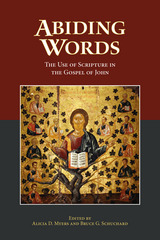
A collection of essays by experts from around the world
Like the other New Testament Gospels, the Gospel of John repeatedly appeals to Scripture (Old Testament). Preferring allusions and “echoes” alongside more explicit quotations, however, the Gospel of John weaves Scripture as an authoritative source concerning its story of Jesus. Yet, this is the same Gospel that is often regarded as antagonistic toward “the Jews,” especially the Jewish religious leaders, depicted within it.
Features:
- Introduces and updates readers on the question of John’s employment of Scripture
- Showcases useful approaches to more general studies on the New Testament’s use of Scripture, sociological and rhetorical analyses, and memory theory
- Explores the possible implications surrounding Scripture usage for the Gospel audiences both ancient and contemporary
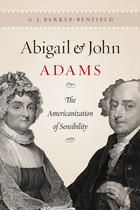
During the many years that they were separated by the perils of the American Revolution, John and Abigail Adams exchanged hundreds of letters. Writing to each other of public events and private feelings, loyalty and love, revolution and parenting, they wove a tapestry of correspondence that has become a cherished part of American history and literature.
With Abigail and John Adams, historian G. J. Barker-Benfield mines those familiar letters to a new purpose: teasing out the ways in which they reflected—and helped transform—a language of sensibility, inherited from Britain but, amid the revolutionary fervor, becoming Americanized. Sensibility—a heightened moral consciousness of feeling, rooted in the theories of such thinkers as Descartes, Locke, and Adam Smith and including a “moral sense” akin to the physical senses—threads throughout these letters. As Barker-Benfield makes clear, sensibility was the fertile, humanizing ground on which the Adamses not only founded their marriage, but also the “abhorrence of injustice and inhumanity” they and their contemporaries hoped to plant at the heart of the new nation. Bringing together their correspondence with a wealth of fascinating detail about life and thought, courtship and sex, gender and parenting, and class and politics in the revolutionary generation and beyond, Abigail and John Adams draws a lively, convincing portrait of a marriage endangered by separation, yet surviving by the same ideas and idealism that drove the revolution itself.
A feast of ideas that never neglects the real lives of the man and woman at its center, Abigail and John Adams takes readers into the heart of an unforgettable union in order to illuminate the first days of our nation—and explore our earliest understandings of what it might mean to be an American.
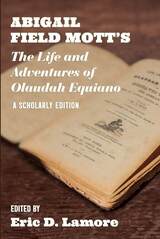
An adaptation of Olaudah Equiano’s Interesting Narrative published for Black children in 1829, now given new life in a major scholarly edition.
In 1829, Samuel Wood and Sons, a New York publisher of children’s literature, printed and sold the Quaker Abigail Field Mott’s Life and Adventures of Olaudah Equiano. Mott adapted Olaudah Equiano’s Interesting Narrative, a bestselling autobiography first published in London in 1789, for Black children studying at New York African Free Schools, one of the first educational systems to teach individuals of African descent in the United States.
By reissuing Mott’s neglected adaptation with contextualizing scholarly apparatus, Eric D. Lamore disrupts the editorial tradition of selecting a London edition of Equiano’s Interesting Narrative, and positions Equiano in the United States instead of Great Britain. Lamore’s volume contains Mott’s children’s book, which includes a series of illustrations, in a facsimile edition; instructive notes on Life and Adventures; a provocative essay on the adaptation; and selections from relevant texts on the New York African Free Schools and other related topics. With its focus on the intersections of early Black Atlantic and American studies, children’s literature, history of education, life writing, and book history, this edition offers a fresh take on Equiano and his autobiography for a variety of twenty-first-century audiences.

Psychoanalysis, Homans shows, originated as a creative response to the withering away of traditional communities and their symbols in the aftermath of the industrial revolution. The loss of these attachments played a crucial role in the lives of the founders of psychoanalysis, especially Sigmund Freud but also Karl Abraham, Carl Jung, Otto Rank, and Ernest Jones. The personal, political, and religious losses that these figures experienced, the introspection that followed, and the psychological discovery that resulted are what Homans calls "the ability to mourn."
Homans expands this historical analysis to construct a general model of psychological discovery: the loss of shared ideals and symbols can produce a deeper sense of self (psychological structure-building, or individuation) and can then lead to the creation of new forms of meaning and self-understanding. He shows how Freud, Jung, and other psychoanalysts began to extend their introspection outward, reinterpreting the meanings of Western art, history, and religion. In conclusion, Homans evaluates Freud's theory of culture and discusses the role that psychoanalysis might play in social and cultural criticism.
Throughout the book, Homans makes use of the many histories, biographies, and psychobiographies that have been written about the origins of psychoanalysis, drawing them into a comprehensive sociocultural model. Rich in insights and highly original in approach, this work will interest psychoanalysts and students of Freud, sociologists concerned with modernity and psychoanalysis, and cultural critics in the fields of religion, anthropology, political science, and social history.
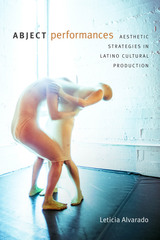

Unraveling anorexia's complex relationships and contradictions, Warin provides a new theoretical perspective rooted in a socio-cultural context of bodies and gender. Abject Relations departs from conventional psychotherapy approaches and offers a different "logic," one that involves the shifting forces of power, disgust, and desire and provides new ways of thinking that may have implications for future treatment regimes.
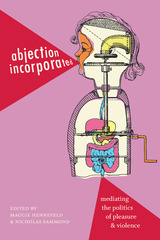
Contributors. Meredith Bak, Eugenie Brinkema, James Leo Cahill, Michelle Cho, Maggie Hennefeld, Rob King, Thomas Lamarre, Sylvère Lotringer, Rijuta Mehta, Mark Mulroney, Nicholas Sammond, Yiman Wang, Rebecca Wanzo
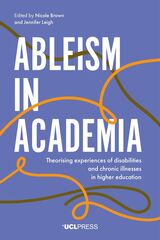
The volume brings together a range of perspectives, including feminism, post-structuralism, Derridean and Foucauldian theory, crip theory, and disability theory, and draws on a number of related disciplines. Contributors use various schools of theory to raise awareness and increase understanding of the marginalized. These theories are placed in the context of neoliberal academia, and used to interrogate aspects of identity and how disability is performed, and to argue that ableism is not just a disability issue. This timely collection will be of interest to researchers in disability studies, higher education studies, and sociology, as well as to those working across the social sciences.
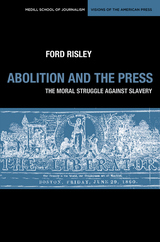
This examination of nineteenth-century journalism explores the specific actions and practices of the publications that provided a true picture of slavery to the general public. From Boston's strident <i>Liberator</i> to Frederick Douglass' <i>North Star</i>, the decades before the Civil War saw more than forty newspapers founded with the specific aim of promoting emancipation. Not only did these sheets provide a platform for discourse, but they also gave slavery a face for a wider audience. The reach of the abolitionist press only grew as the fiery publications became objects of controversy and targets of violence in both South and North. These works kept the issue of slavery in the public eye even as mainstream publications took up the call for emancipation, as the nation went to war, up to the end of slavery. Their legacy has endured, as dedicated reform writers and editors continue to view the press as a vital tool in the fight for equality.
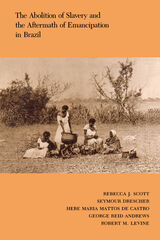
The articles presented here represent a broad scope of scholarly inquiry that covers developments across a wide canvas of Brazilian history and accentuates the importance of formal abolition as a watershed in that nation’s development.

Cyrus the Lion sends the wolf Dmitri Stepanovich on a diplomatic mission, and in the course of his journey he discovers truths about natural history, war, and politics for which he was unprepared. The subsequent war that breaks out in The Abolition of Species will come to span three planets and thousands of years—encompassing treachery and massacres, music and mathematics, savagery and decadence, as well as the terraformation of Mars and Venus and the manipulation of time itself. By turns grandiose, horrific, erotic, scathing, and visionary, The Abolition of Species is a tale of love and war after the fall of man and an epic meditation on the theory of evolution unlike any other.
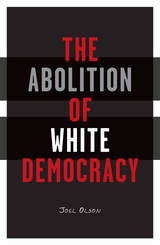
Offers a new way of understanding the tortured relationship between race and democracy in the United States
Racial discrimination embodies inequality, exclusion, and injustice and as such has no place in a democratic society. And yet racial matters pervade nearly every aspect of American life, influencing where we live, what schools we attend, the friends we make, the votes we cast, the opportunities we enjoy, and even the television shows we watch.
Joel Olson contends that, given the history of slavery and segregation in the United States, American citizenship is a form of racial privilege in which whites are equal to each other but superior to everyone else. In Olson’s analysis we see how the tension in this equation produces a passive form of democracy that discourages extensive participation in politics because it treats citizenship as an identity to possess rather than as a source of empowerment. Olson traces this tension and its disenfranchising effects from the colonial era to our own, demonstrating how, after the civil rights movement, whiteness has become less a form of standing and more a norm that cements white advantages in the ordinary operations of modern society. To break this pattern, Olson suggests an “abolitionist-democratic” political theory that makes the fight against racial discrimination a prerequisite for expanding democratic participation.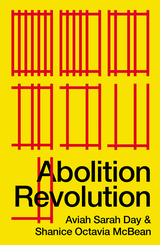
George Floyd's murder in Minneapolis triggered abolitionist shockwaves. Calls to defund the police found receptive ears around the world. Shortly after, Sarah Everard's murder by a serving police officer sparked a national abolitionist movement in Britain. But to abolish the police, prisons and borders, we must confront the legacy of Empire.
Abolition Revolution is a guide to abolitionist politics in Britain, drawing out rich histories of resistance from rebellion in the colonies to grassroots responses to carceral systems today. The authors argue that abolition is key to reconceptualising revolution for our times - linking it with materialist feminisms, anti-capitalist class struggle, internationalist solidarity and anti-colonialism.
Perfect for reading groups and activist meetings, this is an invaluable book for those new to abolitionist politics - whilst simultaneously telling a passionate and authoritative story about the need for abolition and revolution in Britain and globally.
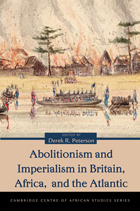
The abolition of the slave trade is normally understood to be the singular achievement of eighteenth-century British liberalism. Abolitionism and Imperialism in Britain, Africa, and the Atlantic expands both the temporal and the geographic framework in which the history of abolitionism is conceived. Abolitionism was a theater in which a variety of actors—slaves, African rulers, Caribbean planters, working-class radicals, British evangelicals, African political entrepreneurs—played a part. The Atlantic was an echo chamber, in which abolitionist symbols, ideas, and evidence were generated from a variety of vantage points. These essays highlight the range of political and moral projects in which the advocates of abolitionism were engaged, and in so doing it joins together geographies that are normally studied in isolation.
Where empires are often understood to involve the government of one people over another, Abolitionism and Imperialism shows that British values were formed, debated, and remade in the space of empire. Africans were not simply objects of British liberals’ benevolence. They played an active role in shaping, and extending, the values that Britain now regards as part of its national character. This book is therefore a contribution to the larger scholarship about the nature of modern empires.
Contributors: Christopher Leslie Brown, Seymour Drescher, Jonathon Glassman, Boyd Hilton, Robin Law, Phillip D. Morgan, Derek R. Peterson, John K. Thornton
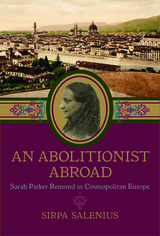
Remond's extensive travels and diverse acquaintances demonstrate that the nineteenth-century grand tour of Europe was not exclusively the privilege of white intellectuals but included African American travelers, among them women. This biography, based on international archival research, tells the fascinating story of how Remond forged a radical path, establishing relationships with fellow activists, artists, and intellectuals across Europe.
The abolitionists of the mid-nineteenth century have long been painted in extremes--vilified as reckless zealots who provoked the catastrophic bloodletting of the Civil War, or praised as daring and courageous reformers who hastened the end of slavery. But Andrew Delbanco sees abolitionists in a different light, as the embodiment of a driving force in American history: the recurrent impulse of an adamant minority to rid the world of outrageous evil.
Delbanco imparts to the reader a sense of what it meant to be a thoughtful citizen in nineteenth-century America, appalled by slavery yet aware of the fragility of the republic and the high cost of radical action. In this light, we can better understand why the fiery vision of the "abolitionist imagination" alarmed such contemporary witnesses as Herman Melville and Nathaniel Hawthorne even as they sympathized with the cause. The story of the abolitionists thus becomes both a stirring tale of moral fervor and a cautionary tale of ideological certitude. And it raises the question of when the demand for purifying action is cogent and honorable, and when it is fanatic and irresponsible.
Delbanco's work is placed in conversation with responses from literary scholars and historians. These provocative essays bring the past into urgent dialogue with the present, dissecting the power and legacies of a determined movement to bring America's reality into conformity with American ideals.
In 1792, nearly 1,200 freed American slaves crossed the Atlantic and established themselves in Freetown, West Africa, a community dedicated to anti-slavery and opposed to the African chieftain hierarchy that was tied to slavery. Thus began an unprecedented movement with critical long-term effects on the evolution of social, religious, and political institutions in modern Africa.
Lamin Sanneh's engrossing book narrates the story of freed slaves who led efforts to abolish the slave trade by attacking its base operation: the capture and sale of people by African chiefs. Sanneh's protagonists set out to establish in West Africa colonies founded on equal rights and opportunity for personal enterprise, communities that would be havens for ex-slaves and an example to the rest of Africa. Among the most striking of these leaders is the Nigerian Samuel Ajayi Crowther, a recaptured slave who joined a colony in Sierra Leone and subsequently established satellite communities in Nigeria. The ex-slave repatriates brought with them an evangelical Christianity that encouraged individual spirituality--a revolutionary vision in a land where European missionaries had long assumed they could Christianize the whole society by converting chiefs and rulers.
Tracking this potent African American anti-slavery and democratizing movement through the nineteenth century, Lamin Sanneh draws a clear picture of the religious grounding of its conflict with the traditional chieftain authorities. His study recounts a crucial development in the history of West Africa.

This book complicates the conventional story that global abilition was essentially a British moralizing effort, “among the three or four perfectly virtuous pages comprised in the history of nations”. Using comparison and connection, this book tells a story of dynamic encounters between local and global contexts, of which the local efforts of British abolition campaigns were a part.
Looking at abolitions as a globally shared experience provides an important perspective, not only to the field of slavery and abolition studies, but also the field of global or world history.
An innovative analysis of the Enlightenment’s effects on the anti-slavery movement
Echoes of Thomas Paine and Enlightenment thought resonate throughout the abolitionist movement and in the efforts of its leaders to create an antislavery reading public. In Abolition’s Public Sphere Robert Fanuzzi critically examines the writings of William Lloyd Garrison, Frederick Douglass, Henry David Thoreau, and Sarah and Angelina Grimke, and their massive abolition publicity campaign—pamphlets, newspapers, petitions, and public gatherings—geared to an audience of white male citizens, free black noncitizens, women, and the enslaved. Including provocative readings of Thoreau’s Walden and of the symbolic space of Boston’s Faneuil Hall, Abolition’s Public Sphere demonstrates how abolitionist public discourse sought to reenact eighteenth-century scenarios of revolution and democracy in the antebellum era.
Fanuzzi illustrates how the dissemination of abolitionist tracts served to create an “imaginary public” that promoted and provoked the discussion of slavery. However, by embracing Enlightenment abstractions of liberty, reason, and progress, Fanuzzi argues, abolitionist strategy introduced aesthetic concerns that challenged political institutions of the public sphere and prevailing notions of citizenship. Insightful and thought-provoking, Abolition’s Public Sphere questions standard versions of abolitionist history and, in the process, our understanding of democracy itself.


Originally published as the Twenty-Fifth Annual Report of the Bureau of American Ethnology to the Secretary of the Smithsonian Institution in 1907, this book was praised in an article in American Anthropologist as doing “more than any other to give a comprehensive idea of the archaeology of the West Indies.”
Until that time, for mainly political reasons, little scientific research had been conducted by Americans on any of the Caribbean islands. Dr. Fewkes' unique skills of observation and experience served him well in the quest to understand Caribbean prehistory and culture. This volume, the result of his careful fieldwork in Puerto Rico in 1902-04, is magnificently illustrated by 93 plates and 43 line drawings of specimens from both public and private collections of the islands.
A 1907 article in the Journal of the Royal Anthropological Institute of Great Britain and Ireland described the volume as “a most valuable contribution to ethnographical science.”
What can abortion and divorce laws in other countries teach Americans about these thorny issues? In this incisive new book, noted legal scholar Mary Ann Glendon looks at the experiences of twenty Western nations, including the United States, and shows how they differ, subtly but profoundly, from one another. Her findings challenge many widely held American beliefs. She reveals, for example, that a compromise on the abortion question is not only possible but typical, even in societies that are deeply divided on the matter. Regarding divorce, the extensive reliance on judicial discretion in the United States is not the best way to achieve fairness in arranging child support, spousal maintenance, or division of property—to judge by the experience of other countries. Glendon's analysis, by searching out alternatives to current U.S. practice, identities new possibilities of reform in these areas. After the late 1960s abortion and divorce became more readily available throughout the West—and most readily in this country—but the approach of American law has been anomalous. Compared with other Western nations, the United States permits less regulation of abortion in the interest of the fetus, provides less public support for maternity and child-rearing, and does less to mitigate the economic hardships of divorce through public assistance or enforcement of private obligations of support.
Glendon looks at these and more profound differences in the light of a powerful new method of legal interpretation. She sees each country's laws as part of a symbol-creating system that yields a distinctive portrait of individuals, human life, and relations between men and women, parents and children, families and larger communities. American law, more than that of other countries, employs a rhetoric of rights, individual liberty, and tolerance for diversity that, unchecked, contributes to the fragmentation of community and its values. Contemporary U.S. family law embodies a narrative about divorce, abortion, and dependency that is probably not the story most Americans would want to tell about these sad and complex matters but that is recognizably related to many of their most cherished ideals.

These are the questions that drive Wendy Simonds' Abortion at Work. Simonds documents the ways in which workers at a feminist clinic construct compelling feminist visions, and also watch their ideals fall short in practice. Simonds interprets these women's narratives to get at how abortion works on feminism, and to show what feminism can gain by rethinking abortion utilizing these activists' terms. In thoroughly engaging prose, Simonds frames her analysis with a moving account of her own personal understanding of the issues.
In the opening of the book, Wilt discusses real case histories of several women. After studying the ambiguities of their decisions, she turns to their counterpoints depicted in contemporary fiction. Working from a feminist perspective, Wilt traces the theme of maternal choice in works by Margaret Atwood, Margaret Drabble, Joan Didion, Mary Gordon, Alice Walker, Toni Morrison, Gloria Naylor, Marge Piercy, Thomas Keneally, Graham Swift, Ernest Hemingway, William Faulkner, John Barth, John Irving, and others.
Behind the political, medical, and moral debates on abortion, Wilt argues, is a profound psychocultural shock at the recognition that maternity is passing from the domain of instinct to that of conscious choice. Although never wholly instinctual, maternity's potential capture by consciousness raises complex questions. The novels Wilt discusses portray worlds in which principles are endangered by sexual inequality, male power and hidden male fear of abandonment, impotence, female submission, and covert rage, and, in the case of black maternity, the hideous aftermath of slavery.
Wilt provides a resonant new context for debates—whether political or personal—on the issue of abortion and maternal choice. Ultimately she enables us to rethink how we shape our own identities and lives.
A comprehensive history of abortion in Renaissance Italy.
In this authoritative history, John Christopoulos provides a provocative and far-reaching account of abortion in sixteenth- and seventeenth-century Italy. His poignant portraits of women who terminated or were forced to terminate pregnancies offer a corrective to longstanding views: he finds that Italians maintained a fundamental ambivalence about abortion. Italians from all levels of society sought, had, and participated in abortions. Early modern Italy was not an absolute anti-abortion culture, an exemplary Catholic society centered on the “traditional family.” Rather, Christopoulos shows, Italians held many views on abortion, and their responses to its practice varied.
Bringing together medical, religious, and legal perspectives alongside a social and cultural history of sexuality, reproduction, and the family, Christopoulos offers a nuanced and convincing account of the meanings Italians ascribed to abortion and shows how prevailing ideas about the practice were spread, modified, and challenged. Christopoulos begins by introducing readers to prevailing ideas about abortion and women’s bodies, describing the widely available purgative medicines and surgeries that various healers and women themselves employed to terminate pregnancies. He then explores how these ideas and practices ran up against and shaped theology, medicine, and law. Catholic understanding of abortion was changing amid religious, legal, and scientific debates concerning the nature of human life, women’s bodies, and sexual politics. Christopoulos examines how ecclesiastical, secular, and medical authorities sought to regulate abortion, and how tribunals investigated and punished its procurers—or did not, even when they could have. Abortion in Early Modern Italy offers a compelling and sensitive study of abortion in a time of dramatic religious, scientific, and social change.
Abortion in the American Imagination returns to the moment when American writers first dared to broach the controversial subject of abortion. What was once a topic avoided by polite society, only discussed in vague euphemisms behind closed doors, suddenly became open to vigorous public debate as it was represented everywhere from sensationalistic melodramas to treatises on social reform. Literary scholar and cultural historian Karen Weingarten shows how these discussions were remarkably fluid and far-ranging, touching upon issues of eugenics, economics, race, and gender roles.
Weingarten traces the discourses on abortion across a wide array of media, putting fiction by canonical writers like William Faulkner, Edith Wharton, and Langston Hughes into conversation with the era’s films, newspaper articles, and activist rhetoric. By doing so, she exposes not only the ways that public perceptions of abortion changed over the course of the twentieth century, but also the ways in which these abortion debates shaped our very sense of what it means to be an American.

This is the first book to offer a comprehensive history of abortion pills in the United States. Public intellectual and lawyer Carrie N. Baker shows how courageous activists waged a decades-long campaign to establish, expand, and maintain access to abortion pills. Weaving their voices throughout her book, Baker recounts both dramatic and everyday acts of their resistance. These activists battled anti-abortion forces, overly cautious policymakers, medical gatekeeping, and fearful allies in their four-decade-long fight to free abortion pills. In post-Roe America, abortion pills are currently playing a critically important role in providing safe abortion access to tens of thousands of people living in states that now ban and restrict abortion. Understanding this struggle will help to guarantee continued access into the future.
One of the most private decisions a woman can make, abortion is also one of the most contentious topics in American civic life. Protested at rallies and politicized in party platforms, terminating pregnancy is often characterized as a selfish decision by women who put their own interests above those of the fetus. This background of stigma and hostility has stifled women’s willingness to talk about abortion, which in turn distorts public and political discussion. To pry open the silence surrounding this public issue, Sanger distinguishes between abortion privacy, a form of nondisclosure based on a woman’s desire to control personal information, and abortion secrecy, a woman’s defense against the many harms of disclosure.
Laws regulating abortion patients and providers treat abortion not as an acceptable medical decision—let alone a right—but as something disreputable, immoral, and chosen by mistake. Exploiting the emotional power of fetal imagery, laws require women to undergo ultrasound, a practice welcomed in wanted pregnancies but commandeered for use against women with unwanted pregnancies. Sanger takes these prejudicial views of women’s abortion decisions into the twenty-first century by uncovering new connections between abortion law and American culture and politics.
New medical technologies, women’s increasing willingness to talk online and off, and the prospect of tighter judicial reins on state legislatures are shaking up the practice of abortion. As talk becomes more transparent and acceptable, women’s decisions about whether or not to become mothers will be treated more like those of other adults making significant personal choices.
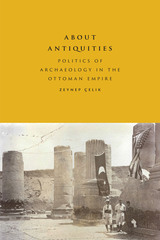
Antiquities have been pawns in empire-building and global rivalries; power struggles; assertions of national and cultural identities; and cross-cultural exchanges, cooperation, abuses, and misunderstandings—all with the underlying element of financial gain. Indeed, “who owns antiquity?” is a contentious question in many of today’s international conflicts.
About Antiquities offers an interdisciplinary study of the relationship between archaeology and empire-building around the turn of the twentieth century. Starting at Istanbul and focusing on antiquities from the Ottoman territories, Zeynep Çelik examines the popular discourse surrounding claims to the past in London, Paris, Berlin, and New York. She compares and contrasts the experiences of two museums—Istanbul’s Imperial Museum and the Metropolitan Museum of Art—that aspired to emulate European collections and gain the prestige and power of owning the material fragments of ancient history. Going beyond institutions, Çelik also unravels the complicated interactions among individuals—Westerners, Ottoman decision makers and officials, and local laborers—and their competing stakes in antiquities from such legendary sites as Ephesus, Pergamon, and Babylon.
Recovering perspectives that have been lost in histories of archaeology, particularly those of the excavation laborers whose voices have never been heard, About Antiquities provides important historical context for current controversies surrounding nation-building and the ownership of the past.
Contributors are Gregory G. Butler, Jen-Yen Chen, Alexander J. Fisher, Mary Dalton Greer, Robert Hill, Ton Koopman, Daniel R. Melamed, Michael Ochs, Mark Risinger, William H. Scheide, Hans-Joachim Schulze, Douglass Seaton, George B. Stauffer, Andrew Talle, and Kathryn Welter.
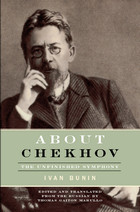
In About Chekhov Ivan Bunin sought to free the writer from limiting political, social, and aesthetic assessments of his life and work, and to present both in a more genuine, insightful, and personal way. Editor and translator Thomas Gaiton Marullo subtitles About Chekhov "The Unfinished Symphony," because although Bunin did not complete the work before his death in 1953, he nonetheless fashioned his memoir as a moving orchestral work on the writers' existence and art. . . . "Even in its unfinished state, About Chekhov stands not only as a stirring testament of one writer's respect and affection for another, but also as a living memorial to two highly creative artists." Bunin draws on his intimate knowledge of Chekhov to depict the writer at work, in love, and in relation with such writers as Tolstoy and Gorky. Through anecdotes and observations, spirited exchanges and reflections, this memoir draws a unique portrait that plumbs the depths and complexities of two of Russia's greatest writers.

Brexit thrust long fraught debates about “Englishness” and the idea of England into the spotlight. About England explores imaginings of English identity since the 1960s in politics, geography, art, architecture, film, and music. David Matless reveals how the national is entangled with the local, the regional, the European, the international, the imperial, the post-imperial, and the global. He also addresses physical landscapes, from the village and country house to urban, suburban, and industrial spaces, and he reflects on the nature of English modernity. In short, About England uncovers the genealogy of recent cultural and political debates in England, showing how many of today’s social anxieties developed throughout the last half-century.
READERS
Browse our collection.
PUBLISHERS
See BiblioVault's publisher services.
STUDENT SERVICES
Files for college accessibility offices.
RECENTLY PUBLISHED


UChicago Accessibility Resources
home | accessibility | search | about | contact us
BiblioVault ® 2001 - 2024
The University of Chicago Press