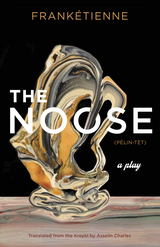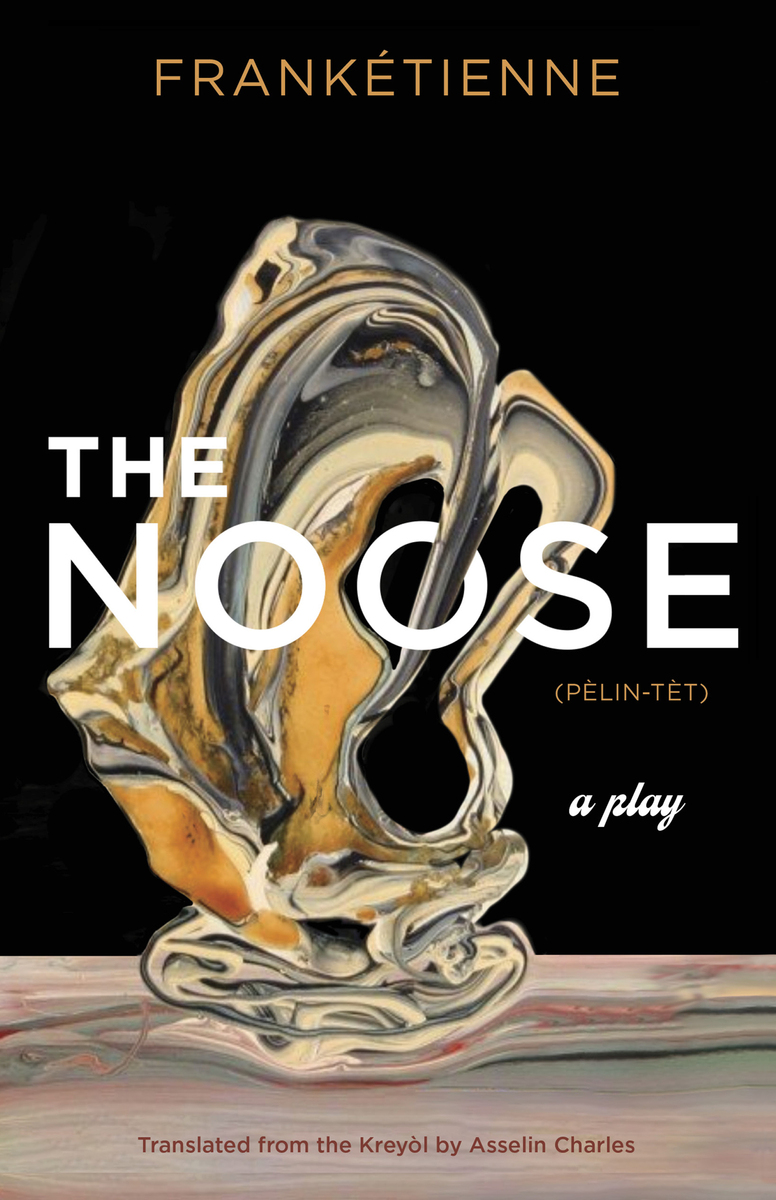
The Noose: A Play
Vanderbilt University Press, 2026
Cloth: 978-0-8265-0005-2 | Paper: 978-0-8265-0004-5 | eISBN: 978-0-8265-0006-9 (ePub) | eISBN: 978-0-8265-0007-6 (PDF)
Library of Congress Classification PQ3949.2.F7P413 2026
See other books on: Caribbean & Latin American | Drama | Literary Criticism | Noose | Play
See other titles from Vanderbilt University Press
Cloth: 978-0-8265-0005-2 | Paper: 978-0-8265-0004-5 | eISBN: 978-0-8265-0006-9 (ePub) | eISBN: 978-0-8265-0007-6 (PDF)
Library of Congress Classification PQ3949.2.F7P413 2026
ABOUT THIS BOOK | AUTHOR BIOGRAPHY | REVIEWS | TOC
ABOUT THIS BOOK
The Noose (also known as Pèlin-Tèt) focuses on the lives of two Haitian immigrants living in a grubby basement apartment in New York City in 1978. One, Polydor, is a middle-class intellectual and political refugee. The other, Pyram, is a lower-class laborer. For the sake of saving money, the two have been sharing the apartment for three years. While Pyram is away working, Polydor apparently does nothing but read books on political theory. His source of funds remains a mystery.
With recent productions in Canada and the United States, the publication of this play in English will provide a new generation of audiences access to this important text, accompanied by an introduction by translator Asselin Charles and an afterword by Jean Jonassaint, both preeminent scholars of Frankétienne’s literary output.
With recent productions in Canada and the United States, the publication of this play in English will provide a new generation of audiences access to this important text, accompanied by an introduction by translator Asselin Charles and an afterword by Jean Jonassaint, both preeminent scholars of Frankétienne’s literary output.
See other books on: Caribbean & Latin American | Drama | Literary Criticism | Noose | Play
See other titles from Vanderbilt University Press