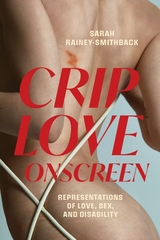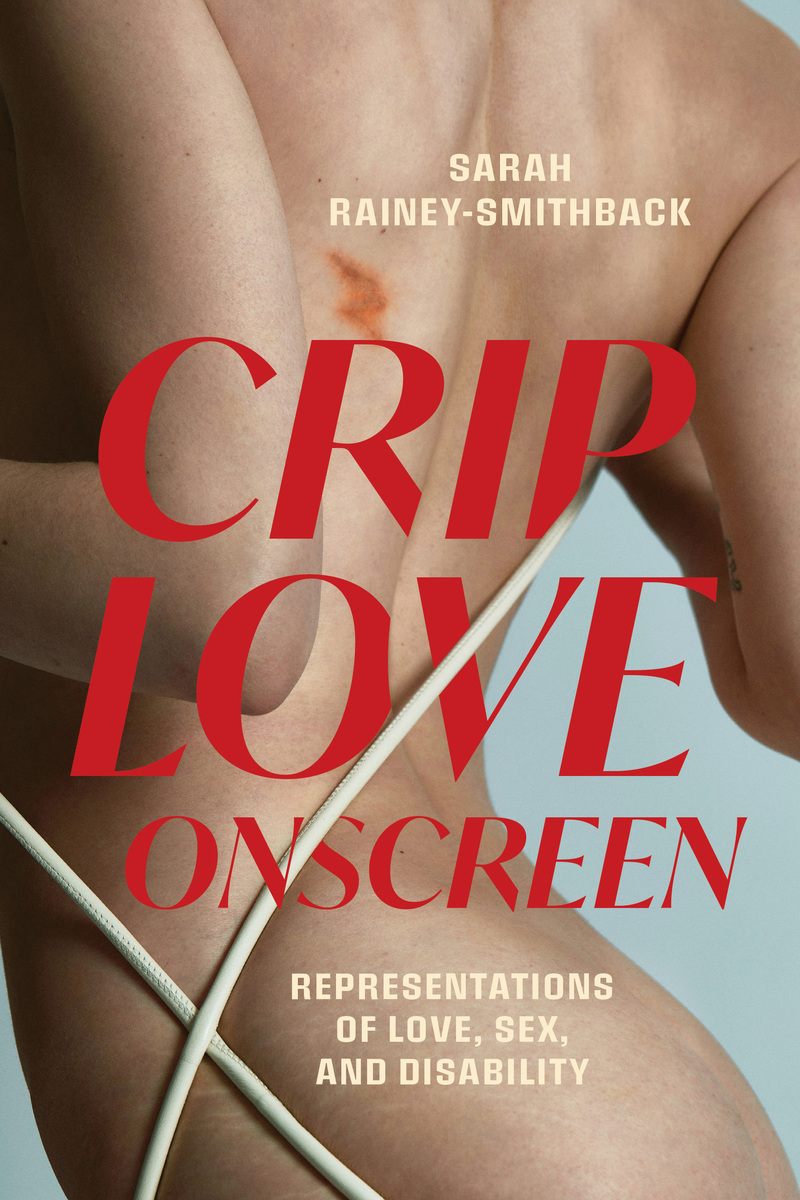
Crip Love Onscreen: Representations of Love, Sex, and Disability
The Ohio State University Press, 2026
Cloth: 978-0-8142-1603-3 | Paper: 978-0-8142-5967-2 | eISBN: 978-0-8142-8452-0 (individual)
Library of Congress Classification HQ30.5.R353 2026
See other books on: Human Sexuality | People with disabilities | People with disabilities in motion pictures | Representations | Sexual behavior
See other titles from The Ohio State University Press
Cloth: 978-0-8142-1603-3 | Paper: 978-0-8142-5967-2 | eISBN: 978-0-8142-8452-0 (individual)
Library of Congress Classification HQ30.5.R353 2026
ABOUT THIS BOOK | AUTHOR BIOGRAPHY | REVIEWS | TOC
ABOUT THIS BOOK
Crip Love Onscreen: Representations of Love, Sex, and Disability examines how disabled people’s sexual lives—including pleasure/sex, love, pregnancy, and sexual violence—are represented in popular film and television. Analyzing a variety of films and TV shows from the United States, Canada, and the United Kingdom, Sarah Rainey-Smithback traces patterns in disability representation that ignore or distort many of the realities of crip sexuality. These patterns of sexual representation tend to uphold compulsory able-bodiedness, heteronormativity, and privacy norms—what Rainey-Smithback terms “neoliberal love values,” or standards that celebrate normative forms of sexual desire, bodies, and intimacy practices.
As disability representation increases, though, new possibilities are emerging. Crip Love Onscreen also draws attention to the exceptional through a close reading of screen narratives (such as 50 First Dates,Love and Other Drugs,American Horror Story: Freak Show, and more) that push against neoliberal, heteronormative, and ableist values. Drawing on the work of queer/crip scholars and activists, Rainey-Smithback uncovers glimpses of what Tobin Siebers calls a “sexual culture for disabled people”—a space and way of being that expands sexual access and sexual experience.
As disability representation increases, though, new possibilities are emerging. Crip Love Onscreen also draws attention to the exceptional through a close reading of screen narratives (such as 50 First Dates,Love and Other Drugs,American Horror Story: Freak Show, and more) that push against neoliberal, heteronormative, and ableist values. Drawing on the work of queer/crip scholars and activists, Rainey-Smithback uncovers glimpses of what Tobin Siebers calls a “sexual culture for disabled people”—a space and way of being that expands sexual access and sexual experience.
See other books on: Human Sexuality | People with disabilities | People with disabilities in motion pictures | Representations | Sexual behavior
See other titles from The Ohio State University Press