eISBN: 978-0-674-29478-3 | Cloth: 978-0-674-24817-5
Library of Congress Classification BF408.S4517 2023
Dewey Decimal Classification 153.32
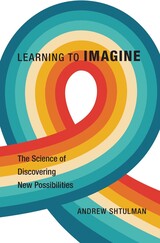
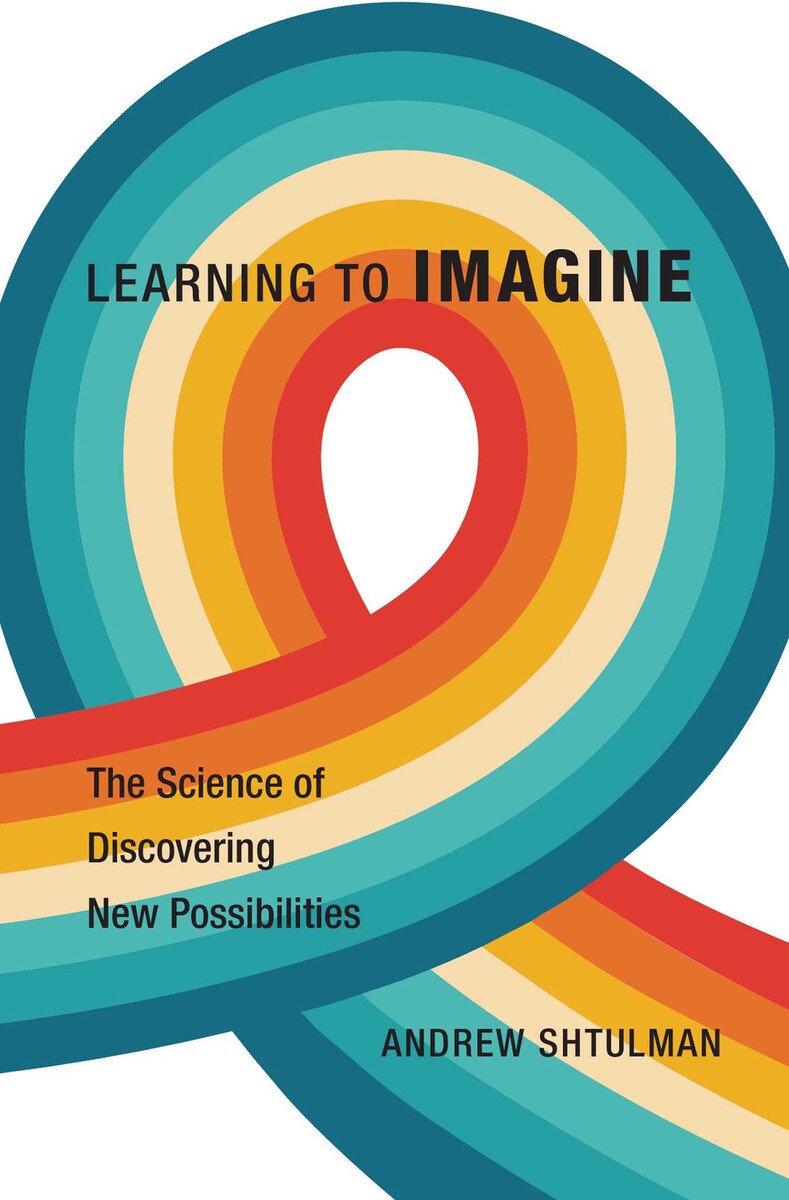
An award-winning cognitive scientist offers a counterintuitive guide to cultivating imagination.
Imagination is commonly thought to be the special province of youth—the natural companion of free play and the unrestrained vistas of childhood. Then come the deadening routines and stifling regimentation of the adult world, dulling our imaginative powers. In fact, Andrew Shtulman argues, the opposite is true. Imagination is not something we inherit at birth, nor does it diminish with age. Instead, imagination grows as we do, through education and reflection.
The science of cognitive development shows that young children are wired to be imitators. When confronted with novel challenges, they struggle to think outside the box, and their creativity is rigidly constrained by what they deem probable, typical, or normal. Of course, children love to “play pretend,” but they are far more likely to simulate real life than to invent fantasy worlds of their own. And they generally prefer the mundane and the tried-and-true to the fanciful or the whimsical.
Children’s imaginations are not yet fully formed because they necessarily lack knowledge, and it is precisely knowledge of what is real that provides a foundation for contemplating what might be possible. The more we know, the farther our imaginations can roam. As Learning to Imagine demonstrates, the key to expanding the imagination is not forgetting what you know but learning something new. By building upon the examples of creative minds across diverse fields, from mathematics to religion, we can consciously develop our capacities for innovation and imagination at any age.
See other books on: Child | Cognitive Psychology & Cognition | Developmental | Learning | Philosophy, Theory & Social Aspects
See other titles from Harvard University Press