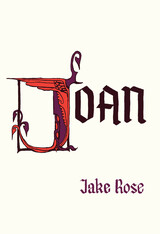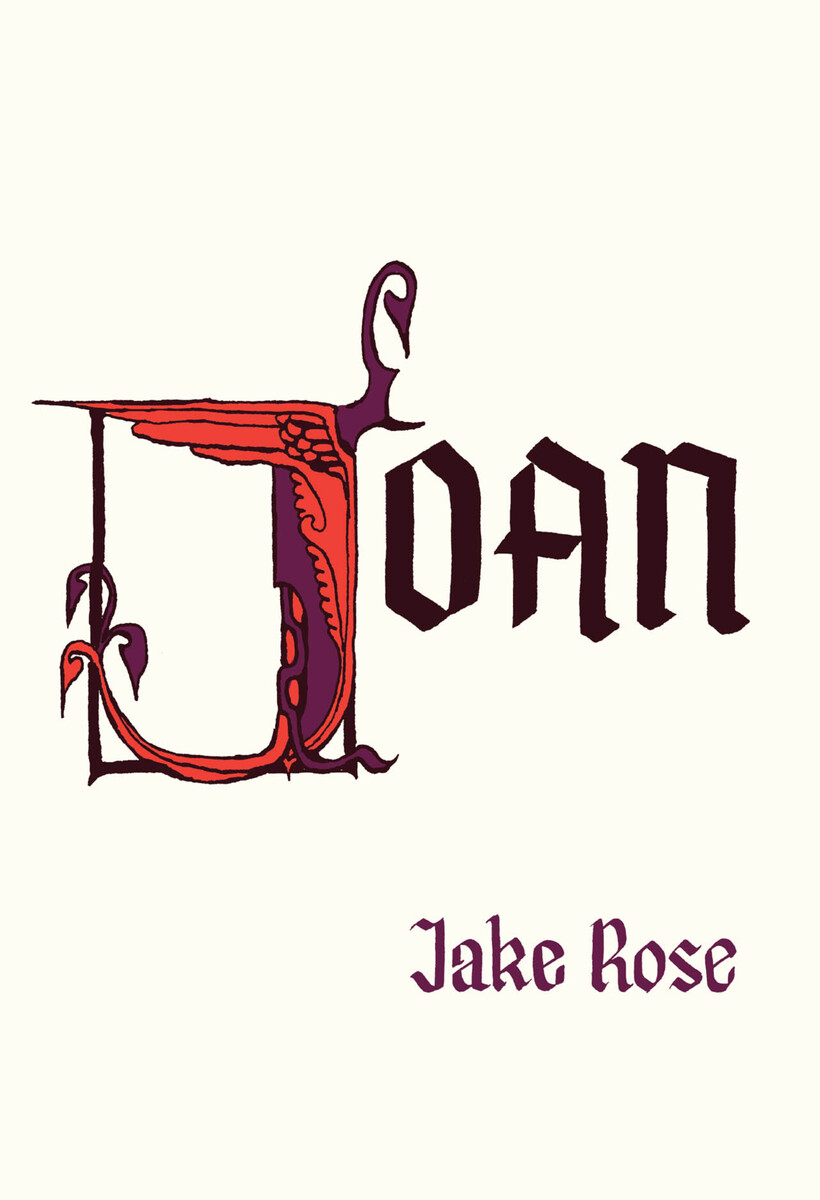
JOAN
University of Chicago Press, 2026
Paper: 978-0-226-84823-5 | eISBN: 978-0-226-84824-2 (all)
Library of Congress Classification PS3618.O78426J63 2026
See other books on: 1412-1431 | Discrimination (incl. Prejudice, Racism, Colorism, etc.) | Joan, of Arc, Saint | LGBTQ+ | Urban
See other titles from University of Chicago Press
Paper: 978-0-226-84823-5 | eISBN: 978-0-226-84824-2 (all)
Library of Congress Classification PS3618.O78426J63 2026
ABOUT THIS BOOK | AUTHOR BIOGRAPHY | REVIEWS | TOC | REQUEST ACCESSIBLE FILE
ABOUT THIS BOOK
A narrative sequence of lyric poems reimagining Joan of Arc as a framework for queer identity, transformation, and poetic voice.
Collapsing biography and autobiography, the poetry of Jake Rose’s debut explores queer identity, grief, and desire through the historical framework of Joan of Arc’s life. Moving through rural landscapes of the speaker’s youth, contradictions of faith, consequences of desire, and fragmentations of trauma, JOAN is structured as an excavation of the speaker’s most intimate moments, combining poetry with historical quotations, visual collage, and a sequence of film stills. Through vivid lyric moments, the poems construct a speaker and world both intimate and charged—“I have to touch my farthest feeling,” “the sapphire dusk draping its lace arias”—with clarity and vibrant intensity. Refusing resolution, these poems dwell in rupture, reinvention, and fluid forms of gender that come to life outside of inherited boundaries. This collection speaks from the margins, searching for a body the self might inhabit and asking what it means to transform through language, gender, and desire.
JOAN is the winner of the Phoenix Emerging Poet Book Prize.
Collapsing biography and autobiography, the poetry of Jake Rose’s debut explores queer identity, grief, and desire through the historical framework of Joan of Arc’s life. Moving through rural landscapes of the speaker’s youth, contradictions of faith, consequences of desire, and fragmentations of trauma, JOAN is structured as an excavation of the speaker’s most intimate moments, combining poetry with historical quotations, visual collage, and a sequence of film stills. Through vivid lyric moments, the poems construct a speaker and world both intimate and charged—“I have to touch my farthest feeling,” “the sapphire dusk draping its lace arias”—with clarity and vibrant intensity. Refusing resolution, these poems dwell in rupture, reinvention, and fluid forms of gender that come to life outside of inherited boundaries. This collection speaks from the margins, searching for a body the self might inhabit and asking what it means to transform through language, gender, and desire.
JOAN is the winner of the Phoenix Emerging Poet Book Prize.
See other books on: 1412-1431 | Discrimination (incl. Prejudice, Racism, Colorism, etc.) | Joan, of Arc, Saint | LGBTQ+ | Urban
See other titles from University of Chicago Press