
 A SCHOLARLY BOOK REPOSITORY
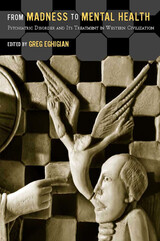
Greg Eghigian has compiled a unique anthology of readings, from ancient times to the present, that includes Hippocrates; Julian of Norwich's Revelations of Divine Love, penned in the 1390s; Dorothea Dix; Aaron T. Beck; Carl Rogers; and others, culled from religious texts, clinical case studies, memoirs, academic lectures, hospital and government records, legal and medical treatises, and art collections. Incorporating historical experiences of medical practitioners and those deemed mentally ill, From Madness to Mental Health also includes an updated bibliography of first-person narratives on mental illness compiled by Gail A. Hornstein.

Individual volumes provide essential background reading for courses covering specific eras and periods. The complete nine-volume series is ideal for general courses in history and Western civilization sequences.
Individual volumes provide essential background reading for courses covering specific eras and periods. The complete nine-volume series is ideal for general courses in history and Western civilization sequences.

Individual volumes provide essential background reading for courses covering specific eras and periods. The complete nine-volume series is ideal for general courses in history and Western civilization sequences.
Individual volumes provide essential background reading for courses covering specific eras and periods. The complete nine-volume series is ideal for general courses in history and Western civilization sequences.
Individual volumes provide essential background reading for courses covering specific eras and periods. The complete nine-volume series is ideal for general courses in history and Western civilization sequences.
Individual volumes provide essential background reading for courses covering specific eras and periods. The complete nine-volume series is ideal for general courses in history and Western civilization sequences.

Individual volumes provide essential background reading for courses covering specific eras and periods. The complete nine-volume series is ideal for general courses in history and Western civilization sequences.
Individual volumes provide essential background reading for courses covering specific eras and periods. The complete nine-volume series is ideal for general courses in history and Western civilization sequences.
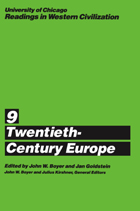
Individual volumes provide essential background reading for courses covering specific eras and periods. The complete nine-volume series is ideal for general courses in history and Western civilization sequences.

With What Have Plants Ever Done for Us?, Stephen Harris takes readers step by chronological step through the role of plants in the rise of the Western world, with sojourns through the history of trade, travel, politics, chemistry, and medicine. Plants are our most important food source. Some, such as barley, have been staples since the earliest times. Others, like the oil palm, are relative newcomers to the Western world. Over time, the ways we use some plants has also dramatically changed: Beets, a familiar sight on the dinner plate, were once thought to be an effective treatment for leprosy and now show significant promise as a sustainable biofuel. What, one wonders, might the future thus hold for the mandrake or woad? Plants have also held potent cures to some of our most prevalent diseases. An extract from the bark of the yew tree, for instance, is commonly used in the treatment of cancer.
Wide-ranging and thoroughly engaging, What Have Plants Ever Done for Us? will help readers cultivate a deeper appreciation for our branched and rooted friends who ask little in return for their vast contributions save for a little care and water.
READERS
Browse our collection.
PUBLISHERS
See BiblioVault's publisher services.
STUDENT SERVICES
Files for college accessibility offices.
RECENTLY PUBLISHED


UChicago Accessibility Resources
home | accessibility | search | about | contact us
BiblioVault ® 2001 - 2024
The University of Chicago Press