
 A SCHOLARLY BOOK REPOSITORY
As Long as We’re Here is an off-key anthem, a funhouse mirror held up to our dumpster fire era. Chronically online, distracted and distracting, with too many browser tabs open at once, attentive to everything and focused on nothing, Brouwer delights in the late capitalist absurdities of sleeping apps and internet dance crazes, and riffs on the argot of the group chat and the team meeting. These slippery poems both suffer from and revel in their ADD. Their shifts are as fleet as our news feeds, their serpentine sentences leap from barroom jests to high modernist splendor and back. But the book is not all fun and games. Dreamy tales of edgelords and loyalty oaths often arrive at places of surprising pathos and beauty. Mortality gnaws at the narrators of these poems, and political unrest lurks in the background. Still, a sense of solidarity—that we of the title, a recurring pronoun throughout—keeps despair at bay. Indeed, As Long as We’re Here is a book of intimacy, of the coterie. Friends and lovers people its lyrics, which often feel like late-night hang sessions with eccentric, wise-cracking pals. Full of wry wisdom and lush music, As Long as We’re Here knows what to do with a diminished thing: make it sing.
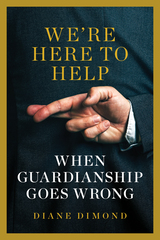
The state-run guardianship system, called conservatorship in some states, is largely unregulated, ill-understood, and increasingly populated by financially motivated predators. Just how the secretive world of guardianship works and its real-life effects remained a mystery to most until the very public case of pop star Britney Spears. It suddenly became clear that those conscripted into the system lose all their civil rights in the process. Currently, there are an estimated 1.5 to 2 million Americans under court control, but precise figures are not known as no government entity keeps track of citizens who have lost the right to determine their own fate.
Established in the late 1800s, the guardianship system was designed to assist the most vulnerable citizens: the elderly and the physically or intellectually disabled. While guardianship has been beneficial to many “wards of the court,” this little-understood process can be a judicial rollercoaster from which there is seldom an escape, and which often leads to financial devastation for the ward and their families. Each year, fifty billion dollars belonging to wards are placed under the control of court appointees, an obvious temptation to bad actors who are in a position to control these funds. As investigative journalist Diane Dimond discovers, the number of exploitive and abusive guardianship cases nationwide demands our urgent attention. This book also provides concrete steps that families can take to protect themselves, as guardianship can happen to any one of us at any time.
READERS
Browse our collection.
PUBLISHERS
See BiblioVault's publisher services.
STUDENT SERVICES
Files for college accessibility offices.
RECENTLY PUBLISHED


UChicago Accessibility Resources
home | accessibility | search | about | contact us
BiblioVault ® 2001 - 2026
The University of Chicago Press