 A SCHOLARLY BOOK REPOSITORY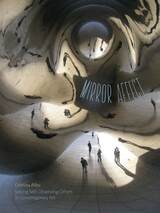
For decades, contemporary artworks with reflective properties have stimulated public forms of spectatorship. According to Cristina Albu, these artworks, which can include elements such as mirrors, live video feedback, or sensors, draw attention to affective interdependence and mechanisms of social control.
In Mirror Affect, Albu provides a historical account of mirroring processes in contemporary art and offers insight into the phenomenological and sociopolitical concerns that have inspired artists to stage processes of affective, perceptual, and behavioral mirroring between art viewers. Beginning with the 1960s, Albu charts the rise of interpersonal modes of art spectatorship. She reveals contemporary artists’ strategic use of reflective and responsive interfaces to instill doubt in visual representation and appeal to active scrutiny of the changing social dynamics. She suggests that the mirroring processes envisioned by contemporary artists such as Joan Jonas, Dan Graham, Lynn Hershman Leeson, Olafur Eliasson, and Rafael Lozano-Hemmer trigger visual disjunctions to upset narcissistic inclinations. They invite viewers to see themselves in relation to others and to ponder their role within complex social systems.
From sculpture and performance to art and technology projects, video art, and installation art, Mirror Affect analyzes forms of interpersonal spectatorship, revising and expanding current historiographies of participatory art.
READERS
Browse our collection.
PUBLISHERS
See BiblioVault's publisher services.
STUDENT SERVICES
Files for college accessibility offices.
RECENTLY PUBLISHED




UChicago Accessibility Resources
home | accessibility | search | about | contact us
BiblioVault ® 2001 - 2025
The University of Chicago Press