
 A SCHOLARLY BOOK REPOSITORY
In February 1960, as lunch counter sit-ins began in Southern cities, national attention focused on Nashville, where demonstrations were carried out by an unusually organized and disciplined group of students tutored extensively in nonviolent direct action. Their mentor was Reverend James Lawson, a graduate student at Vanderbilt University Divinity School with longstanding nonviolent credentials. His workshops with Nashville students, exploring Gandhian style philosophies and tactics, had predated the famed Greensboro sit-ins.
As demonstrations continued in Nashville, and after the worst of four successive sit-ins saw violence erupt downtown, local Black ministers demanded an audience with Mayor Ben West. At this meeting, an exchange occurred that was misconstrued by subsequent newspaper reportage. Shortly thereafter, Lawson was summarily expelled from Vanderbilt, one semester shy of graduating.
Lawson’s ouster triggered a wave of repercussions and headlines. After extended negotiations with their superiors were rebuffed, a large contingent of Divinity School faculty resigned en masse. Simmering dissension between the university’s professors, Board of Trust, and administrators kept the crisis ongoing. Sustained criticism of Vanderbilt both within the city and nationally made for a turbulent situation as Lawson’s expulsion came to symbolize profound tensions about civil rights and racial justice.
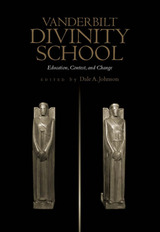
Engagement with southern culture, present from the beginnings of the university but taking on special significance in the mid-twentieth century around the issue of race;
The transition from an institution of the church (Methodist) to an independent and interdenominational school with a liberal Protestant orientation;
The development of the modern research university, evident in the establishment of a graduate program in religion in addition to its program for the profession of ministry;
From the 1950s, a growing concern with diversity and inclusivity, in keeping with national and international issues and developments both religious and cultural, which has broadened the school's sense of ecumenism and deepened its commitments to social justice.
Conflict has played an important part in shaping the history of the Vanderbilt Divinity School, from struggles over initial visions to questions of financial support and institutional control, from local debates over academic freedom to national issues of social justice. Especially noteworthy are the transformations the school has undergone since 1960: the "James Lawson affair," where the divinity school faculty resigned over the expulsion of an African American graduate student who was organizing local lunch counter sit-ins; the impact of social change on the school since the late 1960s; and the contributions of women and African Americans, including their appointment to the faculty.
READERS
Browse our collection.
PUBLISHERS
See BiblioVault's publisher services.
STUDENT SERVICES
Files for college accessibility offices.
RECENTLY PUBLISHED



UChicago Accessibility Resources
home | accessibility | search | about | contact us
BiblioVault ® 2001 - 2025
The University of Chicago Press