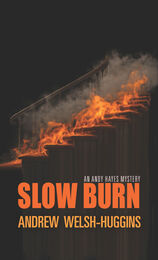
Almost two years have passed since Aaron Custer supposedly set a fire at a house in Columbus that killed three college students, including the young woman with whom he had argued just hours before. Prosecutors had an ironclad case against Custer, a convicted firebug whose fingerprints were found on the lighter that started the blaze and who quickly pleaded guilty to avoid the death penalty.Private investigator and fallen Ohio State football star Andy Hayes is skeptical when Custer’s grandmother asks him to reopen the investigation by finding a mysterious witness who may have seen the real culprit that night. Andy’s doubts fade as he uncovers a tangle of motives for the victims’ deaths, implicating the state’s natural gas fracking boom, drug dealers, and more. But to delve deeper, Andy must once again make amends with his past. TV reporter Suzanne Gregory, a former fiancée, has more information on the Orton Avenue fire than any journalist in town, but asking for her help means reopening old wounds—just as Andy has embarked on a new relationship he’s determined not to screw up. As Andy follows Custer’s trail down ever-darker paths, he must revisit his past and decide whether he can afford to forfeit his future.
Author and reviewer Bill Osinski called Fourth Down and Out, the first of the Andy Hayes mysteries, “A tall, frosty stein of Middle-American noir, backed with a healthy shot of wry.” In this second installment, Andrew Welsh-Huggins draws on real events and current affairs to bring his city to life—warts and all.