
 A SCHOLARLY BOOK REPOSITORY
In American Catholic Hospitals, Barbra Mann Wall chronicles changes in Catholic hospitals during the twentieth century, many of which are emblematic of trends in the American healthcare system.
Wall explores the Church's struggle to safeguard its religious values. As hospital leaders reacted to increased political, economic, and societal secularization, they extended their religious principles in the areas of universal health care and adherence to the Ethical and Religious Values in Catholic Hospitals, leading to tensions between the Church, government, and society. The book also examines the power of women--as administrators, Catholic sisters wielded significant authority--as well as the gender disparity in these institutions which came to be run, for the most part, by men. Wall also situates these critical transformations within the context of the changing Church policy during the 1960s. She undertakes unprecedented analyses of the gendered politics of post-Second Vatican Council Catholic hospitals, as well as the effect of social movements on the practice of medicine.

A serious illness often changes the way others see us. Few, if any, relationships remain the same. The sick become more dependent on partners and family members, while more distant contacts become strained. The carers of the ill are also often isolated. This book focuses on our sense of self when ill and how infirmity plays out in our relationships with others. Neil Vickers and Derek Bolton offer an original perspective, drawing on neuroscience, psychology, and psychoanalysis as well as memoirs of the ill or their carers to reveal how a sense of connectedness and group belonging can not only improve care but also make societies more resilient to illness. This is an essential book on the experience of major illness.


In the French Third Republic, nursing was an occupation caught in the crosscurrents of conflicting notions about the role of women. This deft political history shows how the turmoil and transformation of nursing during this period reflected the political and cultural tensions at work in the nation, including critical conflicts over the role of the Church in society, the professionalization of medicine, the organization and growing militancy of the working classes, and the emancipation of women.
Bodies and Souls describes a time when nursing evolved from a vocation dominated by Catholic orders to a feminine profession that included increasing numbers of lay women. As she pursues this story from the founding of the first full-time professional nursing school in Lyons through the changes wrought by World War I, Katrin Schultheiss reveals how the debates over what nurses were to be, know, and do were deeply enmeshed in issues of class, definitions of femininity, the nature of women's work, and the gendered character of social and national service. Her fine study maps the intersection of these debates with political forces, their impact on hospital nursing and nursing education, and on the shaping of a feminine version of citizenship in France.
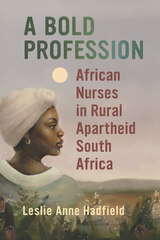
Leslie Anne Hadfield compellingly demonstrates how these women were able to successfully carve out their own professional space and reshape notions of health and healing in the Eastern Cape. Bringing forth the stories of these nurses in their own voices, A Bold Profession is an homage to their dedication to the well-being of their communities. Hadfield sheds light on the struggles of balancing commitment to career and family lives during an oppressive apartheid. The volume fills an important gap for scholars studying the history of women, nursing, and health care in South Africa, illuminating the humanity of health care workers.
Jan Nyberg, an experienced nursing administrator, scholar, and educator, knows another way-from the inside out rather than the outside in. She brings forth her wisdom and knowledge, experiences, and insights so that others may now grasp another way to transform systems for delivery of human caring and healing. This work informs, instructs, and inspires; it invites nurse leaders and other health administrators to reach for what might be, rather than succumbing to what already is.
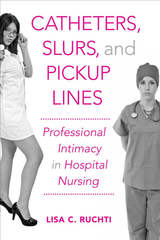
Every day, hospital nurses must negotiate intimate trust and intimate conflict in an effort to provide quality health care. However, interactions between nurses and patients—which often require issues of privacy—are sometimes made more uncomfortable with inappropriate behavior, as when a patient has a racist and/or sexist outburst. Not all nurses are prepared to handle such intimacy, but they can all learn how to "be caring."
In Catheters, Slurs, and Pickup Lines, Lisa Ruchti carefully examines this fragile relationship between intimacy and professional care, and provides a language for patients, nurses, and administrators to teach, conduct, and advocate for knowledgeable and skilled intimate care in a hospital setting. She also recommends best training practices and practical and effective policy changes to handle conflicts.
Ruchti shows that "caring" is not just a personality characteristic but is work that is structured by intersections of race, gender, and nationality.
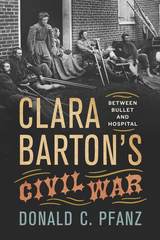
“I always tried to succor the wounded until medical aid and supplies could come up—I could run the risk; it made no difference to anyone if I were shot or taken prisoner.” So recorded Clara Barton, the most famous woman to emerge from the American Civil War. In an age when few women worked in hospitals, much less at the front, Barton served in at least four Union armies, providing food and assistance to wounded soldiers on battlefields stretching from Maryland to South Carolina. Thousands of soldiers benefited from her actions, and she is unquestionably an American heroine. But how much do we really know about her actual wartime service? Most information about Barton’s activities comes from Barton herself. After the war, she toured the country recounting her wartime experiences to overflowing audiences. In vivid language, she described crossing the Rappahannock River under fire to succor wounded Union soldiers at Fredericksburg, transporting critical supplies to field hospitals at Antietam, and enduring searing heat and brackish water on the sunscorched beaches of South Carolina. She willingly braved hardship and danger in order to help the young men under her care, receiving in return their love and respect. Most of Barton’s biographers have accepted her statements at face value, but in doing so, they stand on shaky ground, for Barton was a relentless selfpromoter and often embellished her stories in an effort to enhance her accomplishments.
In Clara Barton’s Civil War: Between Bullet and Hospital, distinguished historian Donald Pfanz revisits Barton’s claims, comparing the information in her speeches with contemporary documents, including Barton’s own wartime diary and letters. In doing so, he provides the first balanced and accurate account of her wartime service—a service that in the end needed no exaggeration.
A Clinician’s Guide to Progressive Supranuclear Palsy emphasizes early diagnostic signs, medication options, non-pharmacologic management and palliative care. It offers a quick overview of the complications of PSP most likely to prompt an ER visit; a widening spectrum of PSP variants; and ample description of the genetics, epidemiology, natural history, pathology, molecular biology and neurochemistry of PSP. The PSP Rating Scale used in the book is a convenient tool for clinicians in routine practice and the leading PSP clinical measure world-wide. Golbe provides a practical and useful guidebook to help all clinicians learn and battle this complex disorder.
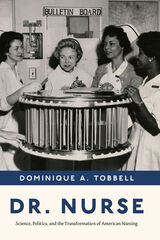
Nurses represent the largest segment of the U.S. health care workforce and spend significantly more time with patients than any other member of the health care team. Dr. Nurse probes their history to examine major changes that have taken place in American health care in the second half of the twentieth century. The book reveals how federal and state health and higher education policies shaped education within health professions after World War II.
Starting in the 1950s, academic nurses sought to construct a science of nursing—distinct from that of the related biomedical or behavioral sciences—that would provide the basis for nursing practice. Their efforts transformed nursing’s labor into a valuable site of knowledge production and proved how the application of their knowledge was integral to improving patient outcomes. Exploring the knowledge claims, strategies, and politics involved as academic nurses negotiated their roles and nursing’s future, Dr. Nurse highlights how state-supported health centers have profoundly shaped nursing education and health care delivery.
An analysis of the efforts of American nurses to establish nursing as an academic discipline and nurses as valued researchers in the decades after World War II.
Nurses represent the largest segment of the U.S. health care workforce and spend significantly more time with patients than any other member of the health care team. Dr. Nurse probes their history to examine major changes that have taken place in American health care in the second half of the twentieth century. The book reveals how federal and state health and higher education policies shaped education within health professions after World War II.
Starting in the 1950s, academic nurses sought to construct a science of nursing—distinct from that of the related biomedical or behavioral sciences—that would provide the basis for nursing practice. Their efforts transformed nursing’s labor into a valuable site of knowledge production and proved how the application of their knowledge was integral to improving patient outcomes. Exploring the knowledge claims, strategies, and politics involved as academic nurses negotiated their roles and nursing’s future, Dr. Nurse highlights how state-supported health centers have profoundly shaped nursing education and health care delivery.
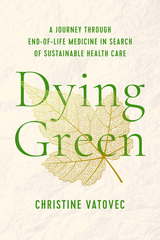
In Dying Green, award-winning educator Christine Vatovec offers an engaging study that asks us to consider the broader environmental sustainability of health care. Through a comparative analysis of the care provided to terminally ill patients in a conventional cancer ward, a palliative care unit, and an acute-care hospice facility, she shows how decisions made at a patient’s bedside govern the environmental footprint of the healthcare industry. Likewise, Dying Green offers insights on the many opportunities that exist for reducing the ecological impacts of medical practices in general, while also enhancing care for the dying in particular. By envisioning a more sustainable approach to care, this book offers a way forward that is better for both patients and the planet.
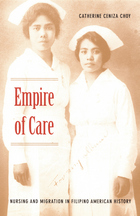
Choy conducted extensive interviews with Filipino nurses in New York City and spoke with leading Filipino nurses across the United States. She combines their perspectives with various others—including those of Philippine and American government and health officials—to demonstrate how the desire of Filipino nurses to migrate abroad cannot be reduced to economic logic, but must instead be understood as a fundamentally transnational process. She argues that the origins of Filipino nurse migrations do not lie in the Philippines' independence in 1946 or the relaxation of U.S. immigration rules in 1965, but rather in the creation of an Americanized hospital training system during the period of early-twentieth-century colonial rule. Choy challenges celebratory narratives regarding professional migrants’ mobility by analyzing the scapegoating of Filipino nurses during difficult political times, the absence of professional solidarity between Filipino and American nurses, and the exploitation of foreign-trained nurses through temporary work visas. She shows how the culture of American imperialism persists today, continuing to shape the reception of Filipino nurses in the United States.
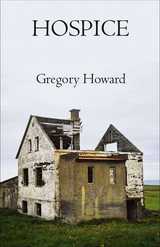
Comic, melancholy, haunted, and endlessly inventive, Gregory Howard’s debut novel Hospice follows Lucy later in life as she drifts from job to job caring for dogs, children, and older women—all the while trying to escape the questions of her past only to find herself confronting them again and again.
In the odd and lovely but also frightening life of Lucy, everyday neighborhoods become wonderlands where ordinary houses reveal strange inmates living together in monastic seclusion, wayward children resort to blackmail to get what they want, and hospitals seem to appear and disappear to avoid being found.
Replete with the sense that something strange is about to happen at any moment, Hospice blurs the borders between the mundane and miraculous, evoking the intensity of the secret world of childhood and distressing and absurd search for a place to call home.
Awarded first place in the 2016 American Journal of Nursing Book of the Year Award in the History and Public Policy category
The most dramatic growth of Christianity in the late twentieth century has occurred in Africa, where Catholic missions have played major roles. But these missions did more than simply convert Africans. Catholic sisters became heavily involved in the Church’s health services and eventually in relief and social justice efforts. In Into Africa, Barbra Mann Wall offers a transnational history that reveals how Catholic medical and nursing sisters established relationships between local and international groups, sparking an exchange of ideas that crossed national, religious, gender, and political boundaries.
Both a nurse and a historian, Wall explores this intersection of religion, medicine, gender, race, and politics in sub-Saharan Africa, focusing on the years following World War II, a period when European colonial rule was ending and Africans were building new governments, health care institutions, and education systems. She focuses specifically on hospitals, clinics, and schools of nursing in Ghana and Uganda run by the Medical Mission Sisters of Philadelphia; in Nigeria and Uganda by the Irish Medical Missionaries of Mary; in Tanzania by the Maryknoll Sisters of New York; and in Nigeria by a local Nigerian congregation. Wall shows how, although initially somewhat ethnocentric, the sisters gradually developed a deeper understanding of the diverse populations they served. In the process, their medical and nursing work intersected with critical social, political, and cultural debates that continue in Africa today: debates about the role of women in their local societies, the relationship of women to the nursing and medical professions and to the Catholic Church, the obligations countries have to provide care for their citizens, and the role of women in human rights.
A groundbreaking contribution to the study of globalization and medicine, Into Africa highlights the importance of transnational partnerships, using the stories of these nuns to enhance the understanding of medical mission work and global change.
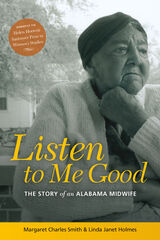
Margaret Charles Smith, a ninety-one-year-old Alabama midwife, has thousands of birthing stories to tell. Sifting through nearly five decades of providing care for women in rural Greene County, she relates the tales that capture the life-and-death struggle of the birthing experience and the traditions, pharmacopeia, and spiritual attitudes that influenced her practice. She debunks images of the complacent southern “granny” midwife and honors the determination, talent, and complexity of midwifery.
Fascinating to read, this book is part of the new genre of writing that recognizes the credibility of midwives who have emerged from their own communities and were educated through apprenticeship and personal experience. Past descriptions of southern black midwives have tended to denigrate their work in comparison with professional established medicine. Believed to be the oldest living (though retired) traditional African American midwife in Alabama, Smith is one of the few who can recount old-time birthing ways. Despite claims that midwives contributed to high infant mortality rates, Smith’s story emphasizes midwives' successes in facing medical challenges and emergencies.
Listening to the Whispers gives voice to scholars in philosophy, medical anthropology, physical therapy, and nursing, helping readers re-think ethics across the disciplines in the context of today's healthcare system. Diverse voices, often unheard, challenge readers to enlarge the circle of their ethical concerns and look for hidden pathways toward new understandings of ethics. Essays range from a focus on the context of corporatization and managed care environments to a call for questioning the fundamental values of society as these values silently affect many others in healthcare. Each chapter is followed by a brief essay that highlights issues useful for scholarly research and classroom discussion. The conversations of interpretive research in healthcare contained in this volume encourage readers to re-think ethics in ways that will help to create an ethical healthcare system with a future of new possibilities.
Outstanding Academic Title, Choice Magazine
In the last fifteen years, the field of palliative care has experienced a surge in interest in spirituality as an important aspect of caring for seriously ill and dying patients. While spirituality has been generally recognized as an essential dimension of palliative care, uniformity of spiritual care practice has been lacking across health care settings due to factors like varying understandings and definitions of spirituality, lack of resources and practical tools, and limited professional education and training in spiritual care.
In England in the seventeenth century, childbirth was the province of women. The midwife ran the birth, helped by female "gossips"; men, including the doctors of the day, were excluded both from the delivery and from the subsequent month of lying-in.
But in the eighteenth century there emerged a new practitioner: the "man-midwife" who acted in lieu of a midwife and delivered normal births. By the late eighteenth century, men-midwives had achieved a permanent place in the management of childbirth, especially in the most lucrative spheres of practice.
Why did women desert the traditional midwife? How was it that a domain of female control and collective solidarity became instead a region of male medical practice? What had broken down the barrier that had formerly excluded the male practitioner from the management of birth?
This confident and authoritative work explores and explains a remarkable transformation--a shift not just in medical practices but in gender relations. Exploring the sociocultural dimensions of childbirth, Wilson argues with great skill that it was not the desires of medical men but the choices of mothers that summoned man-midwifery into being.
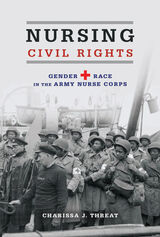
As Threat reveals, both groups viewed their circumstances with the Army Nurse Corps as a civil rights matter. Each conducted separate integration campaigns to end the discrimination they suffered. Yet their stories defy the narrative that civil rights struggles inevitably arced toward social justice. Threat tells how progressive elements in the campaigns did indeed break down barriers in both military and civilian nursing. At the same time, she follows conservative threads to portray how some of the women who succeeded as agents of change became defenders of exclusionary practices when men sought military nursing careers. The ironic result was a struggle that simultaneously confronted and reaffirmed the social hierarchies that nurtured discrimination.

"This book is a manual of nursing procedures originally prepared for the students of the University of Minnesota School of Nursing, written to obviate the necessity of note-taking by the students during the presentation of demonstration by the instructor . . . On the whole the manual is excellent. An instructor would find it of great value in planning her demonstration. It would be difficult to improve upon the simplicity and clarity with which the steps of the procedures are given." —Pacific Coast Journal of Nursing
Nursing Procedures was first published in 1929. Minnesota Archive Editions uses digital technology to make long-unavailable books once again accessible, and are published unaltered from the original University of Minnesota Press editions.
The concept of care is probably one of the least understood ideas used by professional and nonprofessional people, yet it is probably one of the most important concepts to be understood by human groups. It is a word with multiple social usages in the American culture, and has other meanings in other world cultures. The terms care, caring, and nursing care have both symbolic and functional meanings as they are used by caregivers and care-recipients. Nursing care also has a general, special meaning to nurses, and is often taken for granted in nurses' thoughts and action patterns. It is time that we study the implicit and explicit meanings associated with the concepts of care and caring so that we can reduce their ambiguities. Furthermore, the humanistic, scientific, and linguistic meanings related to nursing care and caring behaviors in any culture remain a most fascinating area of study for nurses.
A core concept for nurses and the professional and non-professional people they interact with, "care" is one of the field's least understood terms, enshrouded in conflicting expectations and meanings. Although its usages vary among cultures, caring is universal and timeless at the human level, transcending societies, religions, belief systems, and geographic boundaries, moving from Self to Other to community and beyond, affecting all of life.
This new edition reflects on the universal effects of caring and connects caring with love as the primordial moral basis both for the philosophy and science of caring practices and for healing itself. It introduces Caritas Processes, offers centering and mediation exercises on an included audio CD, and provides other energetic and reflective models to assist students and practitioners in cultivating a new level of Caritas Nursing in their work and world.
This book is also freely available online as an open access digital edition.
Download the open access ebook here.
Responding to the growing need for tried-and-trusted solutions to the reproductive health care issues confronting millions of women worldwide, Obstetrics and Gynecology in Low-Resource Settings provides practical guidelines for ensuring the delivery of quality OB/GYN care to women in resource-poor countries. Including contributions from leading clinicians and researchers in the field, this welcome overview fills an important gap in existing medical literature on women’s health care and will be an invaluable resource for doctors, clinicians, and medical students at all stages of their careers who work in the global health arena.
The reproductive health risks that all women face are greatly exacerbated when health care facilities are inadequate, equipment and medications are in short supply, and well-trained medical staff are few and far away. Often in these settings, the sole doctor or medical professional on hand has expertise in some areas of women’s reproductive care but needs a refresher course in others.
This informative guide features hands-on, step-by-step instruction for the most pertinent OB/GYN conditions—both acute and chronic—that health care workers in the field confront. The authors examine a wide range of topics, including: strategies to reduce maternal mortality and stillbirths; infectious and sexually transmitted diseases, including malaria and HIV; cervical cancer; contraception; prenatal, delivery, and newborn care; and complications arising from gender-based violence and female genital cutting. Published in a convenient format with a durable binding, this reference will be an essential companion to health care providers throughout the world.
Advocates have long contended that the associate degree nurse is vital to the American health care system. This study, funded by the W. K. Kellogg Foundation, confirms this view. In recent years the Foundation has invested more than $6.1 million in the development of the ADN, awarded by junior and community colleges. Many participants in the ADN projects for the Kellogg Foundation have noted that, despite the importance of the ADN and the controversy about its place in nursing education, the literature is scattered and hard to identity. The Origins and Rise of Associate Degree Nursing Education and the companion bibliography will provide much-needed information to educators, hospital and nursing administrators, nursing leaders, and public policy makers—all of whom must cope with the growing nursing shortage and increasingly difficult issues in health policy and administration.

Exceptional breastfeeders find creative ways to feed and care for their children—such as by inducing lactation, sharing milk, or exclusively pumping. They want to adhere to the societal ideal of giving them “the best” but sometimes have to face off with dogmatic authorities in order to do so. Kristin J. Wilson argues that while breastfeeding is never going to be the feasible choice for everyone, it should be accessible to anyone.
The engaging stories in Parish Nursing provide accessible and enjoyable accounts of real parish nurses, both paid and volunteer, who attend to the needs of their congregations in a variety of ways—from home, hospice, and hospital visits to community outreach. This revised edition gathers their stories of hearing and heeding God’s call, of their faith that they are doing the “right thing,” of their joys, sorrows, and challenges, and of their quiet dedication as they offer their time and talents to meet the needs of others.
By offering inspiration and encouragement, along with a healthy dose of updated practical advice, this collection will make parish nursing theory come to life. These stories will honor practicing parish nurses, will guide the way for anyone contemplating parish nursing as a career, and will challenge church members and leaders to examine the role that their congregations play in health ministry—especially in meeting the long-term care needs of an aging population.
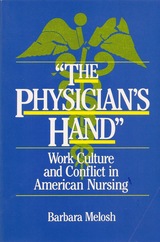
This book recasts nursing history and places it in the context of women’s history, labor history, medical history, and sociology. Removed from the limited framework of professionalization, nursing history can provide a fresh perspective on broader issues in social history. First, it offers an illuminating example of the ways in which gender informs work and, conversely. How work reproduces and transforms relationships of power and inequality.
Second, the experience of nurses adds a new dimension to our understanding of work. More than a study of professionalization, nursing history is the story of women workers’ experience in a rationalizing service industry. Like other workers, nurses faced a fundamental reorganization of work that changed the content and experience of nursing. But unlike many others, they did not suffer a dilution of skill. The book also explores the shifting configurations of social relations on the job and their implications for nurses’ work.
Third, nurses’ history provides a useful standpoint for analyzing the possibilities and limitations of women’s work.
Finally, nursing history alerts us to the complexities of working women’s consciousness, countering the common notion of women’s passivity in the workplace.
The Physician’s Hand traces nursing history from the twenties to the seventies. It begins just after World War I when the "trained nurse" had gained a secure place in medical care but not yet found a niche in the hospital. Most worked in private duty. Chapter 1 outlines the theoretical framework of professionalization. Chapter 2 examines the history and culture of hospital schools, and the following chapters focus on the changing structure and experience of nursing in its three major settings: private duty nursing, public health care, and hospital work. The conclusion weighs the competing traditions of professionalization and occupational culture in nurses’ history and their meaning for the current crisis in nursing.
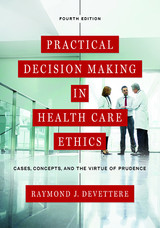
For more than twenty years Practical Decision Making in Health Care Ethics has offered scholars and students a highly accessible and teachable alternative to the dominant principle-based theories in the field. Raymond J. Devettere's approach is not based on an ethics of abstract obligations and duties but, following Aristotle, on how to live a fulfilled and happy life—in short, an ethics of personal well-being grounded in prudence, the virtue of ethical decision making.
New sections added in this revised fourth edition include sequencing whole genomes, even those of newborns; the new developments in genetic testing now provided by online commercial companies such as 23andMe; the genetic testing of fetuses by capturing their DNA circulating in the pregnant woman's blood; the Stanford Prison experiment and its relevance to the abuses at the Abu Graib prison; recent breakthroughs in the diagnosis of consciousness disorders such as PVS; the ongoing controversy generated by the NIH study of premature babies at many NICUs throughout the county, a study known as SUPPORT that the OHRP (Office of Human Research Protections, an office within the department of HHS) deemed unethical.
Devettere updates most chapters. New cases include Marlise Munoz (dead pregnant woman's body kept on life support by a Texas hospital), Jahi McMath (teenager pronounced dead in California but treated as alive in New Jersey), Margot Bentley (nursing home feeding a woman dying of end stage Alzheimer’s despite her advance directive that said no nourishment or liquids if she was dying with dementia), Brittany Maynard (dying 29-year-old California woman who moved to Oregon to commit suicide with a physician's help), and Samantha Burton (woman with two children who suffered rupture of membranes at 25 weeks and whose physician obtained a court order to keep her at the hospital to make sure she stayed on bed rest). Thoughtfully updated and renewed for a new generation of readers, this classic textbook will be required reading for students and scholars of philosophy and medical ethics.
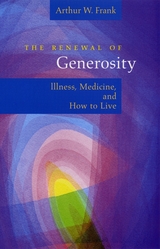
The Renewal of Generosity evokes medicine as the face-to-face encounter that comes before and after diagnostics, pharmaceuticals, and surgeries. Frank calls upon the Roman emperor Marcus Aurelius, philosopher Emmanuel Levinas, and literary critic Mikhail Bakhtin to reflect on stories of ill people, doctors, and nurses who transform demoralized medicine into caring relationships. He presents their stories as a source of consolation for both ill and professional alike and as an impetus to changing medical systems. Frank shows how generosity is being renewed through dialogue that is more than the exchange of information. Dialogue is an ethic and an ideal for people on both sides of the medical encounter who want to offer more to those they meet and who want their own lives enriched in the process.
The Renewal of Generosity views illness and medical work with grace and compassion, making an invaluable contribution to expanding our vision of suffering and healing.
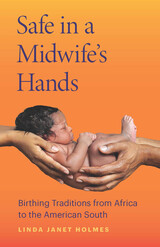
After a less-than-positive experience giving birth as a Black woman in the 1970s, Linda Janet Holmes launched a lifetime of work as an activist dedicated to learning about and honoring alternative birth traditions and the Black women behind them. Safe in a Midwife’s Hands brings together what Holmes has gleaned from the countless midwives who have shared with her their experiences, at a time when their knowledge and holistic approaches are essential counterbalances to a medical system that routinely fails Black mothers and babies. Building on work she began in the 1980s, when she interviewed traditional Black midwives in Alabama and Virginia, Holmes traveled to Ghana, Ethiopia, and Kenya to visit midwives there. In detailing their work, from massage to the uses of medicinal plants to naming ceremonies, she links their voices to those of midwives and doulas in the US. She thus illuminates parallels between birthing traditions that have survived hundreds of years of colonialism, enslavement, Jim Crow, and ongoing medical racism to persist as vital cultural practices that promote healthy outcomes for mothers and babies during pregnancy, birth, and beyond.
The work covers selectively the development of nursing science over a period of some thirty years which was undertaken by nursing faculty and the School’s PhD Alumni. The account of the strategic development of a program of research across bio-behavioral phenomena, health promotion/risk reduction, women’s health and nursing and health care systems is instructive. Substantive contributions have been made across the selected areas; of note also is the impact of translational science on health outcomes of individuals and communities. The accounts of the purposeful development of health informatics in nursing and leadership as scholarship are also highly developed. The book is a valuable contribution to the literature on how nursing research at Michigan is helping transform the lives of patients, families and communities.
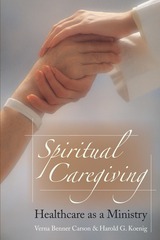
With today's cumbersome insurance procedures, government regulations, endless paperwork, and concerns about malpractice rates, many health care professionals are asking: "Why am I doing this? Am I making a difference to my patients? Is there a better way—and if so, what is it?" In this book, Carson and Koenig examine the state of the health care system with the goal of providing healthcare professionals and caregivers the inspiration and practical tools to reclaim their sense of purpose.
The book begins with an evaluation of the current system from the perspective of the spiritual vision that initially motivated and nourished many caregivers. The authors then pose a vision of a health care system that supports and nurtures the spirituality of patients and their families, of which some elements already exist.
An overview is provided on the preparation necessary for health care professionals to offer spiritual care when there are major implications—for people with chronic illnesses, psychiatric issues, devastating injuries, and those preparing for surgery, facing death, and those living with chronic pain. Also explored are ways that health professionals and caregivers can maintain their own spiritual health even as they work to bring about healing, comfort, and solace to others.
Woven throughout the book are the personal narratives of physicians, nurses, chaplains, health care educators, community resource workers, administrators, therapists, and psychologists—all from a wide range of religious traditions. Their examples inspire and assist professionals in renewing the spiritual focus of health care.
Ever since the first edition of Verna Benner Carson's Spiritual Dimensions of Nursing Practice went out of print, second-hand copies have been highly sought after by practitioners in the field and nursing school faculty who appreciated the comprehensive scope of the seminal work on spirituality and health. In this highly anticipated revised edition, Carson and her co-editor, Harold G. Koenig, have thoroughly revised and updated this classic in the field.
In Spirituality and Health Research: Methods, Measurement, Statistics, and Resources, Dr. Harold G. Koenig leads a comprehensive overview of this complex subject. Dr. Koenig is one of the world’s leading authorities on the relationship between spirituality and health, and a leading researcher on the topic. As such, he is distinctively qualified to author such a book.
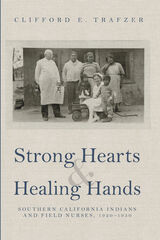
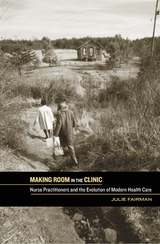
Over time, field nurses and Native people formed a positive working relationship that resulted in the decline of mortality from infectious diseases. Many Native Americans accepted and used Western medicine to fight pathogens, while also continuing Indigenous medicine ways. Nurses helped control tuberculosis, measles, influenza, pneumonia, and a host of gastrointestinal sicknesses. In partnership with the community, nurses quarantined people with contagious diseases, tested for infections, and tracked patients and contacts. Indians turned to nurses and learned about disease prevention. With strong hearts, Indians eagerly participated in the tuberculosis campaign of 1939–40 to x-ray tribal members living on twenty-nine reservations. Through their cooperative efforts, Indians and health-care providers decreased deaths, cases, and misery among the tribes of Southern California.
A high level of communicative skills are essential and expected for health care workers. Take Care is designed to give readers the strategies and tools to build, maintain, and repair communication within interactions that take place in health care settings. It is designed for students who are enrolled in health care training as well as nurses or health care workers who are already on the job but may want to improve their English. This text is designed to provide readers with a firm grasp of verbal and non-verbal communication strategies for more successful interactions. It will also help readers develop strategic competence by asking them to practice formulaic phrases needed to get things done. Carefully selected situations will also help readers to understand some of the social situations health care workers need to prepare for, such as apologizing, expressing condolences, or giving advice.
Take Care breaks each unit into the following sections to teach readers new skills:
- Listening for Language
- Dialogue
- Vocabulary
- Communication Strategy
- Pronunciation
- Dialogue Review
- Role Plays
- End-of-Unit Discussion
- Culture Point
This revised edition is updated to include information about pandemics, vaccines, and other medical developments. Audio files for the listening activities are available online.

Take Care was written to help nursing students and other health care workers communicate better in health care settings, with a focus on improving speaking and listening skills, vocabulary, and pronunciation. The aim was to provide users with the tools and specific communication strategies to build, maintain, or repair interactions that take place on the job. This book is also designed to develop the pragmatic competence necessary to get things done on the job and to understand some of the social situations required by health care workers, like expressing condolences or giving advice.
The individuals most likely to benefit from the material in the book are:
- Nursing students enrolled in community college (e.g., pre-nursing courses or RN students who have a special class)
· ESL students enrolled in specific CNA or medical assistant classes
· ESL students enrolled in U.S. universities who are here to learn more about nursing or health care as profession (they may or may not already have a degree in their own countries)
· Nurses or health care workers who already work in a health care setting but who are not proficient in English and so may be taking an English course sponsored by the hospital or local health system
It is therefore generally assumed that students have some knowledge of common medical and health care terms, so the book does not attempt to teach medical terminology, except in the context of communicating effectively in a health care setting. The various Vocabulary sections in each unit can therefore be used as review or as a new lesson—whatever works best for your students.
Instructors using this book do not need knowledge of the field of nursing or health care because the majority of material covered focuses on the language, not the industry.
Nancy L. Diekelmann
Karin Dahlberg
Margaretha Ekebergh
Pamela M. Ironside
Kathryn Hopkins Kavanagh
Melinda M. Swenson
Sharon L. Sims
Rosemary A. McEldowney
Jan D. Sinnott

Watson writes for the Caritas Conscious Nurse™ or the Caritas Conscious Scholar/Practitioner/Educator on the journey toward the deeper caring-healing dimensions of life. Unitary Caring Science offers a personal-professional path of authenticity, bringing universals of Love, Energy, Spirit, Infinity of Purpose, and Meaning back into nurses lives and their life’s work. Unitary Caring Science serves as a continuing, evolving message to the next generation of nurse scholars and healing-health practitioners committed to a praxis informed by mature disciplinary consciousness.
Individual customers will also receive a secure link to select copyrighted teaching videos and meditations on www.watsoncaringscience.org.
This insightful study examines the deeply personal and heart-wrenching tensions among financial considerations, emotional attachments, and moral arguments that motivate end-of-life decisions.
America’s health care system was built on the principle that life should be prolonged whenever possible, regardless of the costs. This commitment has often meant that patients spend their last days suffering from heroic interventions that extend their life by only weeks or months. Increasingly, this approach to end-of-life care is coming under scrutiny, from a moral as well as a financial perspective. Sociologist Roi Livne documents the rise and effectiveness of hospice and palliative care, and growing acceptance of the idea that a life consumed by suffering may not be worth living.
Values at the End of Life combines an in-depth historical analysis with an extensive study conducted in three hospitals, where Livne observed terminally ill patients, their families, and caregivers negotiating treatment. Livne describes the ambivalent, conflicted moments when people articulate and act on their moral intuitions about dying. Interviews with medical staff allowed him to isolate the strategies clinicians use to help families understand their options. As Livne discovered, clinicians are advancing the idea that invasive, expensive hospital procedures often compound a patient’s suffering. Affluent, educated families were more readily persuaded by this moral calculus than those of less means.
Once defiant of death—or even in denial—many American families and professionals in the health care system are beginning to embrace the notion that less treatment in the end may be better treatment.

•How do I answer a "why" question?
•What do I say to a patient who believes a miracle will happen to cure them?
•What if I'm not religious? How can I talk about it?
READERS
Browse our collection.
PUBLISHERS
See BiblioVault's publisher services.
STUDENT SERVICES
Files for college accessibility offices.
RECENTLY PUBLISHED







UChicago Accessibility Resources
home | accessibility | search | about | contact us
BiblioVault ® 2001 - 2024
The University of Chicago Press