
 A SCHOLARLY BOOK REPOSITORY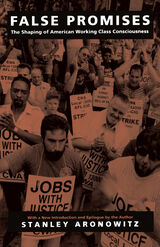

Brings to life the struggle for Black suffrage in nineteenth-century Ohio
In False Promises, the fight for Black voting rights in Ohio comes alive through narratives of men of color who defied the state’s nineteenth-century restrictions on suffrage. Though ratification of the Fifteenth Amendment ostensibly extended the franchise, state election laws still forced men of color into a perilous struggle for full citizenship. Ric S. Sheffield depicts their courage and determination, revealing their humanity through stories of sacrifice, resistance, and hope.
Drawing on Saidiya Hartman’s concept of critical fabulation, Sheffield weaves together historical records with imaginative reconstructions of dialogue, setting, and descriptive elements beyond the dusty courthouse pages. Grounded in archival evidence yet reimagined to fill in the silences, these stories recount the lived experiences of those who risked everything to exercise their right to vote.
False Promises also connects these historical battles to the present, illustrating how voter-suppression tactics in today’s Ohio have roots in the racial exclusions of the nineteenth century. By exposing the enduring legacy of white supremacist policies, the book challenges the widespread misconception that racial disenfranchisement was solely a southern problem. Ohio’s complex racial history—noted for its role in the Underground Railroad but also for its repressive Black Laws—also includes a fierce and ongoing struggle over the right to vote. Through compelling storytelling, historical analysis, and a reclamation of voices lost to history, False Promises urges readers to reconsider their understanding of democracy and the right to vote.

In 2003, energy expert Joesph J. Romm wrote The Hype About Hydrogen to explain why hydrogen wasn’t the panacea we were promised—and may never be. In this newly revised and updated edition, Romm builds an even stronger case, explaining the barriers hydrogen faces, from its inefficiency as an energy carrier to the “chicken-and-egg” problem in infrastructure development and the risk of increased global warming from hydrogen leaks and emissions. In a series of significant updates, Romm breaks down the latest methods of production, including "green" hydrogen, hydrogen made with nuclear power, geologic hydrogen, and “blue” hydrogen from natural gas with carbon capture and storage (CCS), laying out the challenges with each. He then explores the limitations of suggested applications of hydrogen, including e-fuels made with direct air capture of CO2, hydrogen cars, and heating in buildings and industry.
The Hype About Hydrogen is essential reading for anyone who hopes that hydrogen will be a major solution to the climate crisis. The good news? We don’t need it to be. With advancements in renewables and battery technology, electrification offers us a path forward that is cleaner, safer—and can be implemented today.
READERS
Browse our collection.
PUBLISHERS
See BiblioVault's publisher services.
STUDENT SERVICES
Files for college accessibility offices.
RECENTLY PUBLISHED





UChicago Accessibility Resources
home | accessibility | search | about | contact us
BiblioVault ® 2001 - 2025
The University of Chicago Press