
 A SCHOLARLY BOOK REPOSITORY
Musicologist Georgia J. Cowart explores how Antoine Watteau’s late paintings reimagine the symbolic order of absolutism in the wake of Louis XIV’s death.
Antoine Watteau has long been known for the theatricality of his paintings, but what that theatricality signifies has remained elusive. In After the King, Georgia Cowart contends that this mode of painting takes shape in response to the spectacle of Louis XIV’s absolutism, which the painter’s late works transform into a new aesthetic language.
The king’s death marked a turning point in Watteau’s art. In the six years that followed, his paintings turned more decisively toward the musical stage. Evoking theatrical plots, frontispieces, and costume types, they conjured a world in which the legacy of absolutist culture lingered as stylized memory—its rituals, emblems, and pleasures recast through theatrical illusion and ironic distance.
Rather than treating Watteau as a painter of nostalgic reverie or Rococo charm, Cowart situates his art within the immersive performance culture of Versailles and the vibrant Parisian stage, at a time when the opéra-ballet, popular opera, and the commedia dell’arte were charting new theatrical landscapes. Drawing on art history, musicology, theater studies, and Pierre Nora’s theory of lieux de mémoire, she proposes a new framework that understands Watteau’s paintings as acts of theatrical memory and cultural recomposition.
Elegantly written and conceptually ambitious, After the King reveals how Watteau recoded the symbols of monarchy to stage a post-absolutist cultural imagination shaped by irony, sensuality, and poetic transformation.
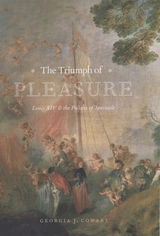
With bold revisionist strokes, Cowart traces this strain of artistic dissent through the comedy-ballets of Jean-Baptiste Lully and Molière, the late operatic works of Lully and the operas of his sons, the opera-ballets of André Campra and his contemporaries, and the related imagery of Antoine Watteau’s well-known painting The Pilgrimage to Cythera. She contends that through a variety of means, including the parody of old-fashioned court entertainments, these works reclaimed traditional allegories for new ideological aims, setting the tone for the Enlightenment. Exploring these arts from the perspective of spectacle as it emerged from the court into the Parisian public sphere, Cowart ultimately situates the ballet and related genres as the missing link between an imagery of propaganda and an imagery of political protest.
READERS
Browse our collection.
PUBLISHERS
See BiblioVault's publisher services.
STUDENT SERVICES
Files for college accessibility offices.
RECENTLY PUBLISHED





UChicago Accessibility Resources
home | accessibility | search | about | contact us
BiblioVault ® 2001 - 2026
The University of Chicago Press