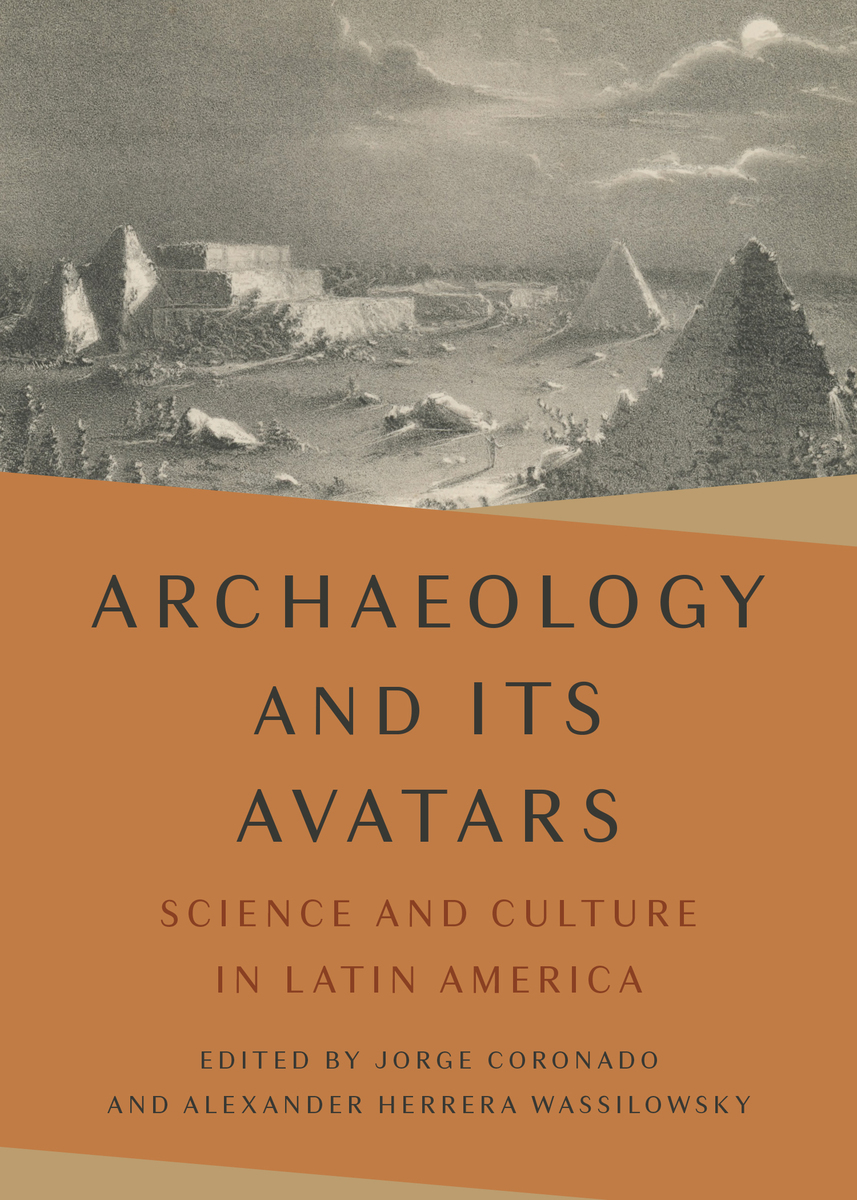
Cloth: 979-8-89948-025-6 | eISBN: 979-8-89948-026-3
Illuminating the impact of archaeology on the culture and politics of Latin America
Since the mid-nineteenth century, archaeology has played a critical role in historicizing space and shaping cultural imaginaries. It has brought modern scientific practices into structured contact with ancient objects and landscapes, on the one hand, and modern Indigenous cultures in their material and historical complexity, on the other. Archaeology has thus served a variety of disciplines and practices, from history and anthropology to literary and social criticism and critical theory, and has actively animated practices quite distinct from itself, such as public policy, tourism, urban planning, art, literature, and nation-building.
This volume provides a unique analysis of a disciplinary formation crucial to the study of cultural history and theory in Latin America. The contributors represent archaeologists and scholars from a variety of disciplines within the humanities, each of whom approaches archaeology as theory and praxis. Collectively, they map the differences and similarities between archaeological interventions and the ways in which the materiality, practice, and discourse of archaeology have been taken up as analytic, metaphor, and discursive strategy.
See other books on: Archaeology | Caribbean & Latin American | Castro-Klarén, Sara | Coronado, Jorge | Fenves, Peter
See other titles from Northwestern University Press