Cloth: 978-1-62534-957-6 | Paper: 978-1-62534-956-9 | eISBN: 978-1-68575-274-3 (ePub) | eISBN: 978-1-68575-275-0 (PDF)
A powerful family memoir about inheritance, identity, and the pull of the sea
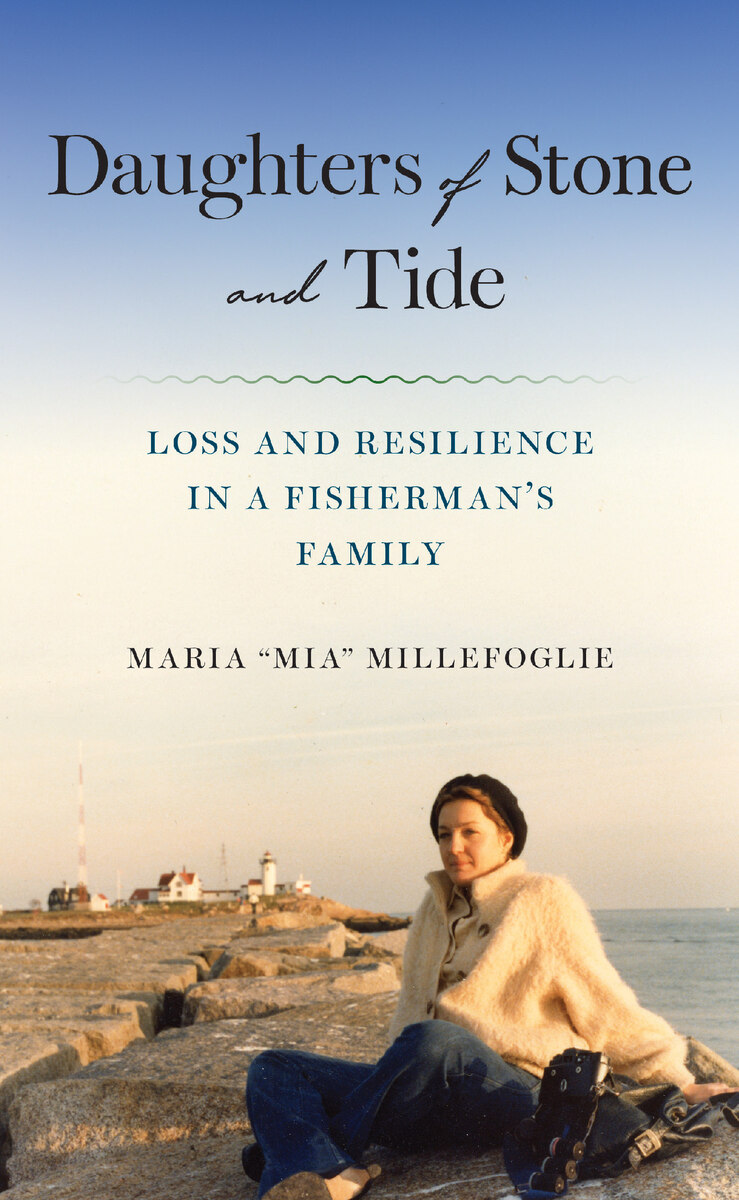
Surrendered as an infant in America, Maria “Mia” was taken in by Sicilian immigrants in Gloucester, Massachusetts—a gritty working-class town steeped in salt and tradition. She inherits a name that traces back to 19th-century Sicily, where her great-grandfather was abandoned as a newborn on la ruota dei proietti, the “wheel of the castoffs.” Christened Millefoglie, “a thousand leaves, a thousand pages,” he crossed the bold Atlantic to America’s shores, carrying with him a legacy of endurance and exile.
For generations, the Millefoglie men went to sea: dorymen who rose before dawn to cast their nets along jagged coastlines, captains of eastern-rig draggers navigating storms that could split a vessel in half, stowaways chasing the promise of a life they could scarcely imagine. They lived by tides, currents, and the unspoken rules of the ocean; their courage and skill tested daily by wind and water. The women, left on shore, learned a different kind of survival, keeping households, raising children, and enduring the constant absence of fathers, brothers, and husbands.
Into this world of fishermen and keepers of the shore, Mia was adopted, learning early that bloodlines dictate identity and tradition shapes fate. College is forbidden; marriages are arranged, and no one abandons the family. By nineteen, trapped in a fish-packing job and lost in a haze of drugs, Mia does the unthinkable: she leaves. Decades later, drawn back to Gloucester’s weathered harbor to care for her aging parents, Mia begins to unearth her family’s buried stories, tracing the lineage from a Sicilian orphanage to a New England fishing port and the invisible inheritance that shaped them all.
Both intimate and historical, Daughters of Stone and Tide is a meditation on identity, abandonment, and belonging—a fisherman’s daughter’s search to understand the forces that bind and break a family across generations and seas.
See other books on: Daughters | Fish | Genealogy & Heraldry | Stone | Tide
See other titles from University of Massachusetts Press