Despite widespread technological innovation, scientific and medical breakthroughs, and strides toward gender and racial equity, few believe that humanity is on the road of progress. Indeed, many are increasingly skeptical of the very notion of progress, seeing it as the stuff of hollow political speeches.
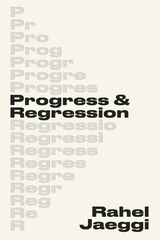
Nevertheless, this impassioned book argues that we are lost without a shared idea of progress. In the tradition of critical theory, Rahel Jaeggi defends a vision of progress that avoids Eurocentric and teleological distortions. Progress here is not an inevitable developmental trend but a kind of compass directing society’s never-ending journey toward emancipation. A nimble practitioner of dialectical reasoning, Jaeggi revitalizes progress by confronting its opposite: regression. Her analysis—sober and thoughtful, but urgent—reckons with the myriad signs of regression today, including growing inequality, ecological destruction, and above all the assault on educational institutions, critical thinking, and reason itself.
The task of imagining a human solidarity capable of transcending difference and promoting universal welfare has seldom been more pressing—or more complex. Progress and Regression is an indispensable resource for those ready to take up the challenge.