
 A SCHOLARLY BOOK REPOSITORY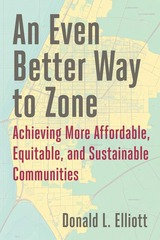
In An Even Better Way to Zone, planning expert Donald L. Elliott explains how outdated assumptions about development and unnecessary barriers in our current zoning regulations have contributed to development patterns that are not sustainable, affordable, or equitable to historically disadvantaged populations. It identifies what types of changes to zoning rules, procedures, and maps could improve outcomes in each of those areas. Importantly, it also helps the reader think through what to do when zoning changes that would improve outcomes for one of those challenges would undermine success in the others.
An Even Better Way to Zone also reorients the zoning discussion towards redevelopment and reuse rather than implicitly focusing on raw land development, because already developed areas represent the vast majority of the built environment where meaningful changes will need to be made. Instead of giving lip service to the importance of infill and reuse, zoning needs to actively remove the barriers that prevent innovative, equitable, and sustainable redevelopment.
With engaging, easy-to-understand prose, Elliott briefly explains the challenges of today’s zoning and then breaks down how this key legal tool can be used to reinvent our communities as places where housing is more affordable, everyone is treated fairly, and we do far less damage to the environment. From fixing zoning rules and incentives to fixing the procedures used to draft, implement, and change zoning, Elliott provides practical, sage advice on adapting zoning to address today’s most critical issues.
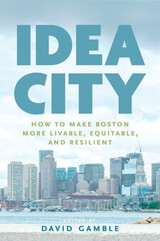
Racial strife, increased social and economic discrimination, amplified political friction, and growing uncertainty around the impacts of the COVID-19 pandemic and climate change have laid bare many inequalities within the city of Boston. How will these disruptions and inequities influence the city’s future, especially as Boston celebrates its quadricentennial in 2030?
This collection of original essays addresses the many challenges Boston contends with in the twenty-first century and considers ways to improve the city for everyone. Presenting a range of perspectives written by area experts—academics, reflective practitioners, and policymakers—these essays tackle issues of resiliency, mobility, affordable housing, health outcomes, social equity, economic equality, zoning, regionalism, and more. Reflecting the diversity of the city and the challenges and opportunities Boston currently faces, Idea City will help readers think differently about their own areas of expertise and draw conclusions from urban regeneration work in other fields.
READERS
Browse our collection.
PUBLISHERS
See BiblioVault's publisher services.
STUDENT SERVICES
Files for college accessibility offices.
RECENTLY PUBLISHED



UChicago Accessibility Resources
home | accessibility | search | about | contact us
BiblioVault ® 2001 - 2025
The University of Chicago Press