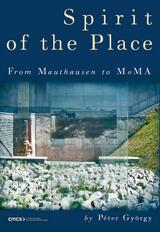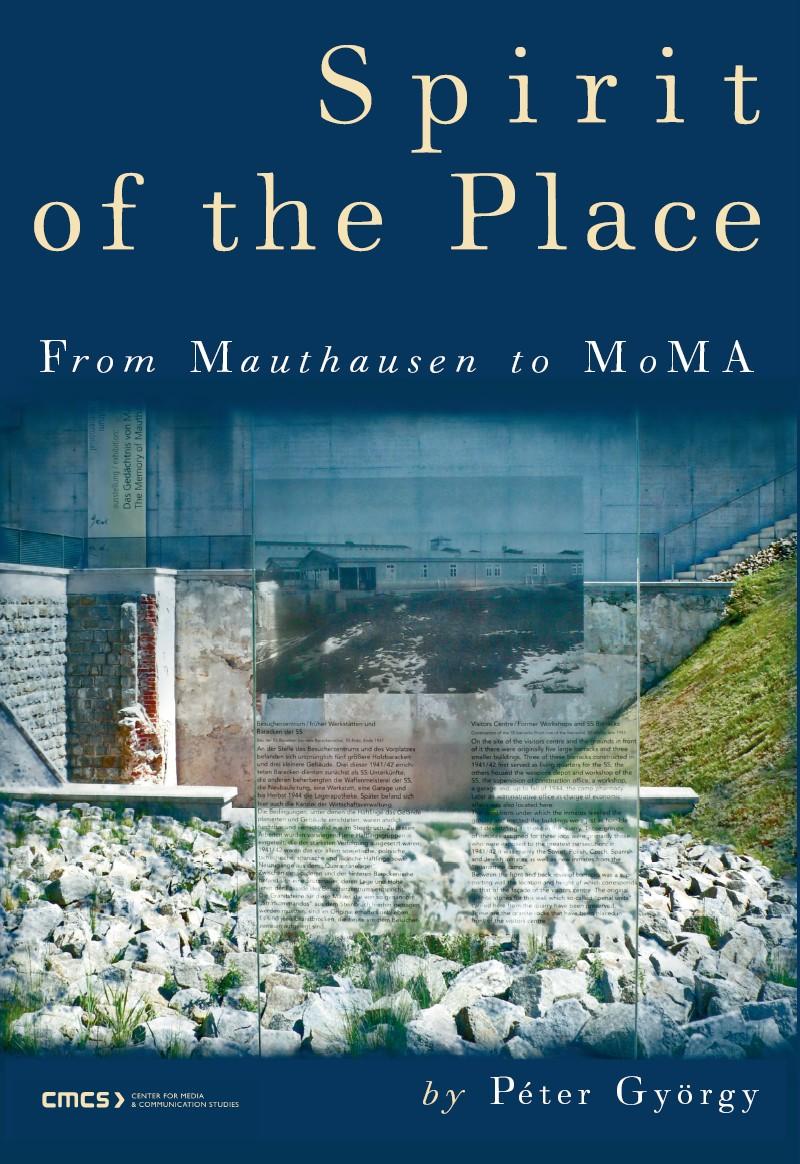
Spirit of the Place: From Mauthausen to Moma
Central European University Press, 2008
Cloth: 978-963-9776-33-3 | eISBN: 978-615-5211-58-4 (PDF)
Library of Congress Classification N72.S6G9613 2008
Dewey Decimal Classification 701.03
Cloth: 978-963-9776-33-3 | eISBN: 978-615-5211-58-4 (PDF)
Library of Congress Classification N72.S6G9613 2008
Dewey Decimal Classification 701.03
ABOUT THIS BOOK | AUTHOR BIOGRAPHY | REVIEWS | TOC
ABOUT THIS BOOK
These essays are case-studies, the cases unraveling our cultural roots, memory itself. If a museum is the subject, then for instance the way the museum changes face, function, its manner of speech; how, a repository of collections and the cultural memory of humankind itself turns into one of the objects, memories, a custodian and exponent of its own history, or the opposite: how it connects with its modernized environs and changing audience: us. How has, or might the sanctum be transformed into a public venue, go from an inward looking, reverential enclosure to a space full of life. In other studies included here the author speaks of spatial and incarnate remembrance: the radical difference between a monument and a memorial. The duality of “always remembering” and “never forgetting”: a past depersonalized and dehistoricized as it was seized and processed. Of the layers of meaning attached to concentration camps, transmuting essence of artworks, and the difficult, the contradictory but inescapable processing of history and the past, of self-identical existence in history. So that we know we are alive. And how that is so.
See other books on: Art and society | Museum Studies | Museums | Place | Spirit
See other titles from Central European University Press