Cloth: 978-0-8265-1538-4 | Paper: 978-0-8265-1539-1
Library of Congress Classification F1210.C57 2007
Dewey Decimal Classification 972.02
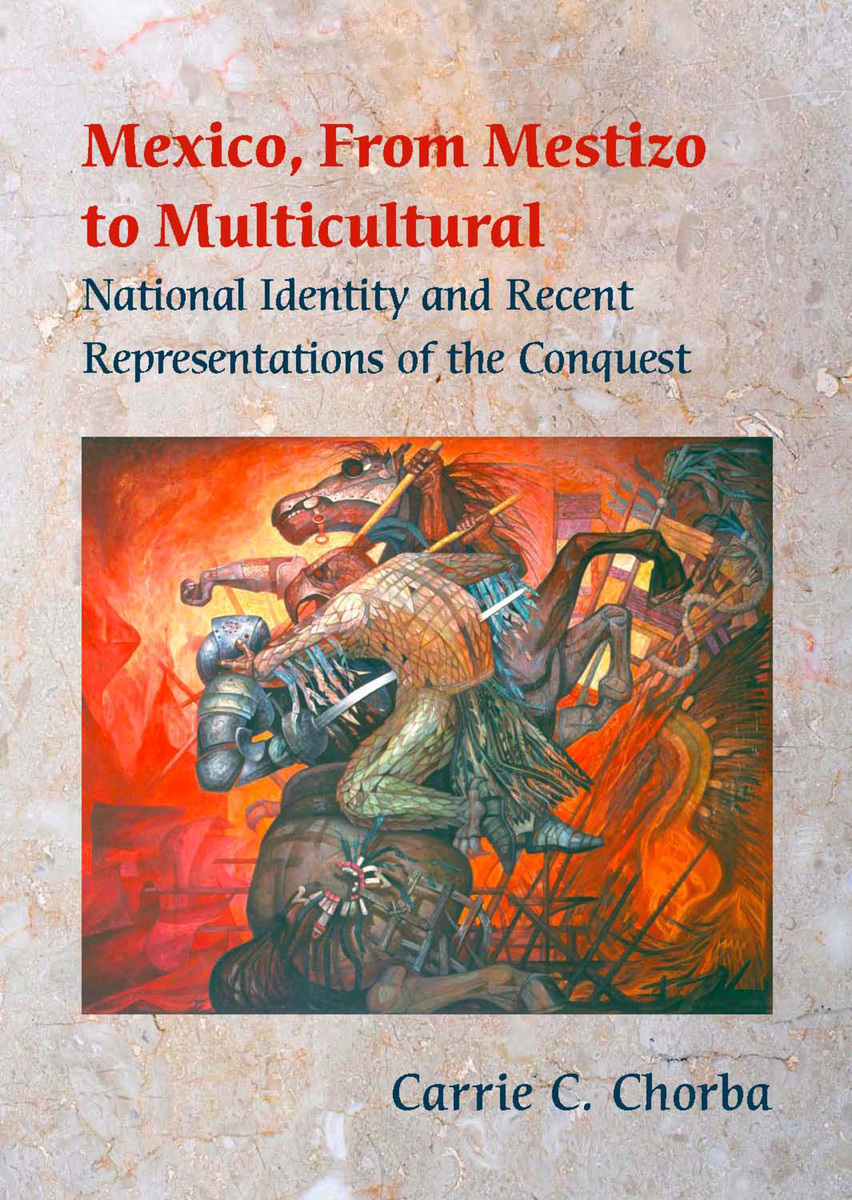
Throughout the twentieth century, the post-revolutionary Mexican State had used mestizaje as a symbol of national unity and social integration. By the end of the millennium, however, Mexico had gone from a PRI-dominated, economically protectionist nation to a more democratic, economically globalizing one. More importantly, the homogenizing, mestizophile national identity that pervaded Mexico throughout the past century had given way to official admission of Mexico's ethnic and linguistic diversity--or 'pluriculture' according to President Salinas's 1992 constitutional revision.
This book is the first interdisciplinary study of literary, cinematic, and graphic images of Mexican national identity in the 1980s and '90s. Discussing, in depth, writings, films, and cartoons from a vast array of contemporary sources, Carrie C. Chorba creates a social history of this important shift.
See other books on: Collective memory | Conquest | Conquest, 1519-1540 | Mestizaje | National Identity
See other titles from Vanderbilt University Press