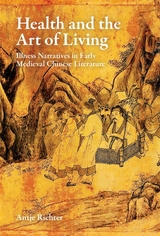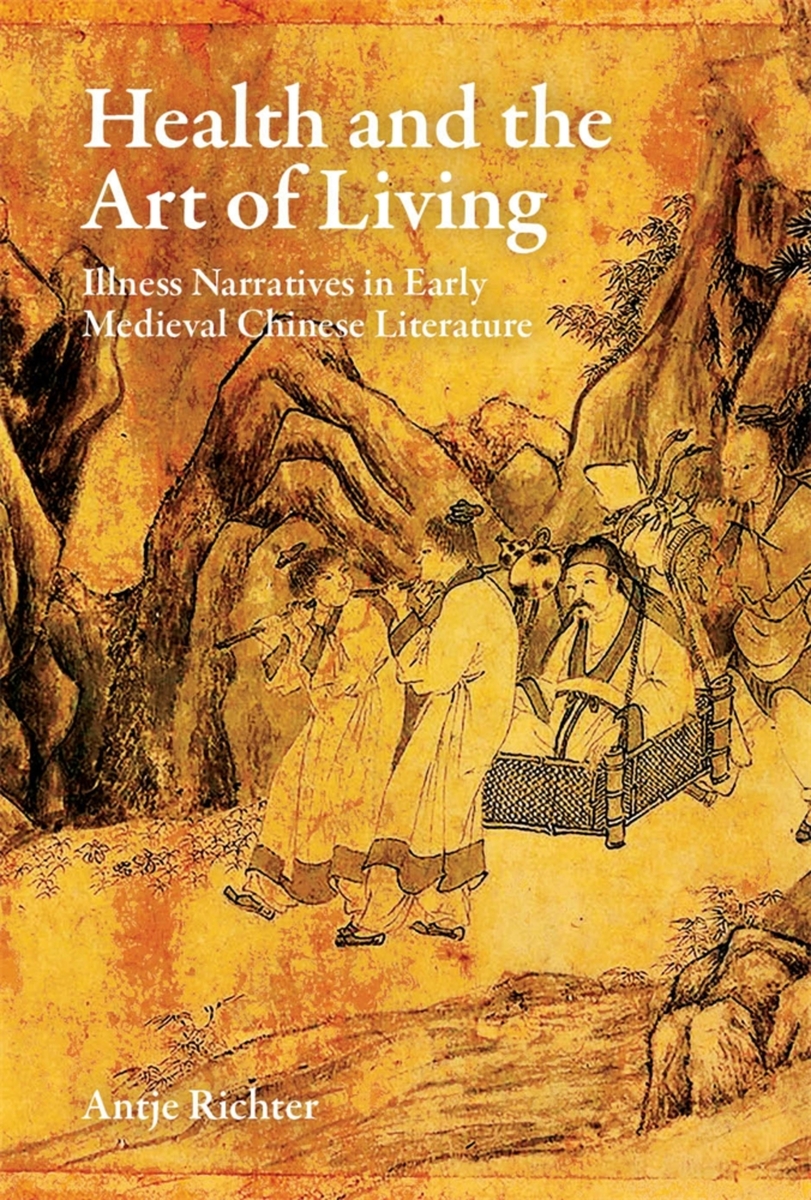
Health and the Art of Living: Illness Narratives in Early Medieval Chinese Literature
Harvard University Press, 2025
Cloth: 978-0-674-29998-6 | eISBN: 978-0-674-30171-9 (ePub)
Library of Congress Classification PL2284.5.R53 2025
Dewey Decimal Classification 895.109356109015
Cloth: 978-0-674-29998-6 | eISBN: 978-0-674-30171-9 (ePub)
Library of Congress Classification PL2284.5.R53 2025
Dewey Decimal Classification 895.109356109015
ABOUT THIS BOOK
ABOUT THIS BOOK
Health and the Art of Living offers reflections on health and illness in early medieval Chinese literature (ca. 200–ca. 600). Surveying a range of literary sources—essays, prefaces, correspondence, religious scriptures, and poetry—it explores the spectrum of views on health and illness expressed in these texts. Part One, centered on the essay “Nurturing the Vital Breath” in Liu Xie’s Literary Mind and the Carving of Dragons, reveals the deep concern of writers, troubled by overwork and excessive mental exertion, with the preservation and cultivation of their literary creativity. For them, the ability to write was inextricably connected with their social roles as officials. Part Two turns to self-narratives of health and illness in authorial prefaces, informal notes, formal letters, and official communications. Writers of these texts depicted their physical condition according to specific rhetorical purposes, whether that was to legitimize authorship, maintain intimate relationships, or avoid office. Part Three describes the rise of sickbed poetry, shaped by Xie Lingyun and the Vimalakīrti-nirdeśa-sūtra, which established illness as a topic in the refined literature of the period. Drawing attention to the grounding of literature in the lived experience of their creators, this book illuminates the conditions of literary production in early medieval China.
See other books on: Chinese literature | Health | Literature and medicine | Living | Themes, motives
See other titles from Harvard University Press